


No products in the cart.
Because the hemp plant (Cannabis sativa L.) acts as a natural biological sponge, the purity of any finished botanical extract is permanently determined by the soil in which it was grown. As consumer demand for organic full spectrum CBD continues to rise in 2026, the marketplace has become highly fragmented. Shoppers are increasingly forced to navigate between heavily regulated European agricultural models and a commercial United States supply chain that frequently relies on multi-brokered biomass and chemical solvent extraction.
Understanding the regulatory frameworks, extraction sciences, and manufacturing standards behind these two distinct supply chains is critical for sourcing clean, safe, and effective cannabinoid products.
The Science of Bioaccumulation: Why Soil Provenance Dictates Purity
Hemp possesses deep root systems and rapid growth cycles that make it a highly effective tool for phytoremediation, a process where plants draw heavy metals, pesticides, and toxins out of contaminated soil. While this trait benefits industrial land cleanup, it poses a severe consumer safety hazard when the plant is harvested for human consumption.
A 2023 peer-reviewed study from the University of Georgia (Marabesi et al, Water) found that Cannabis sativa accumulates high concentrations of cadmium directly into its aboveground tissues. The researchers documented whole-plant bioconcentration factors ranging from 20 to 1,051 mg/kg. Most critically, these heavy metals translocate directly into the hemp flowers and leaves. Since premium extracts are derived from these aerial parts rather than the seeds, starting with pristine, uncontaminated soil is a non-negotiable requirement for product safety.
The commercial market continues to struggle with these agricultural realities. A comprehensive five-year analytical study (2018-2023) by Fundación CANNA revealed that 60.53% of raw hemp extracts and 30.10% of finished CBD oils tested positive for pesticide residues above the limit of quantification. The study also found dangerous spikes in heavy metals, with lead levels reaching up to 21 mg/kg in tested oils.
Structural Differences: European Permaculture vs. US Commercial Hemp
The fundamental divide in extract quality stems from how agricultural networks are structured and regulated on a continent-by-continent basis.
United States: Legacy Soils and Supply Chain Fragmentation
Following the 2018 Farm Bill, thousands of acres of US farmland previously used for conventional tobacco, cotton, or corn were rapidly converted into cannabinoid hemp fields. Because these fields historically utilized synthetic fertilizers and persistent herbicides, legacy agricultural pesticides remain an ongoing challenge.
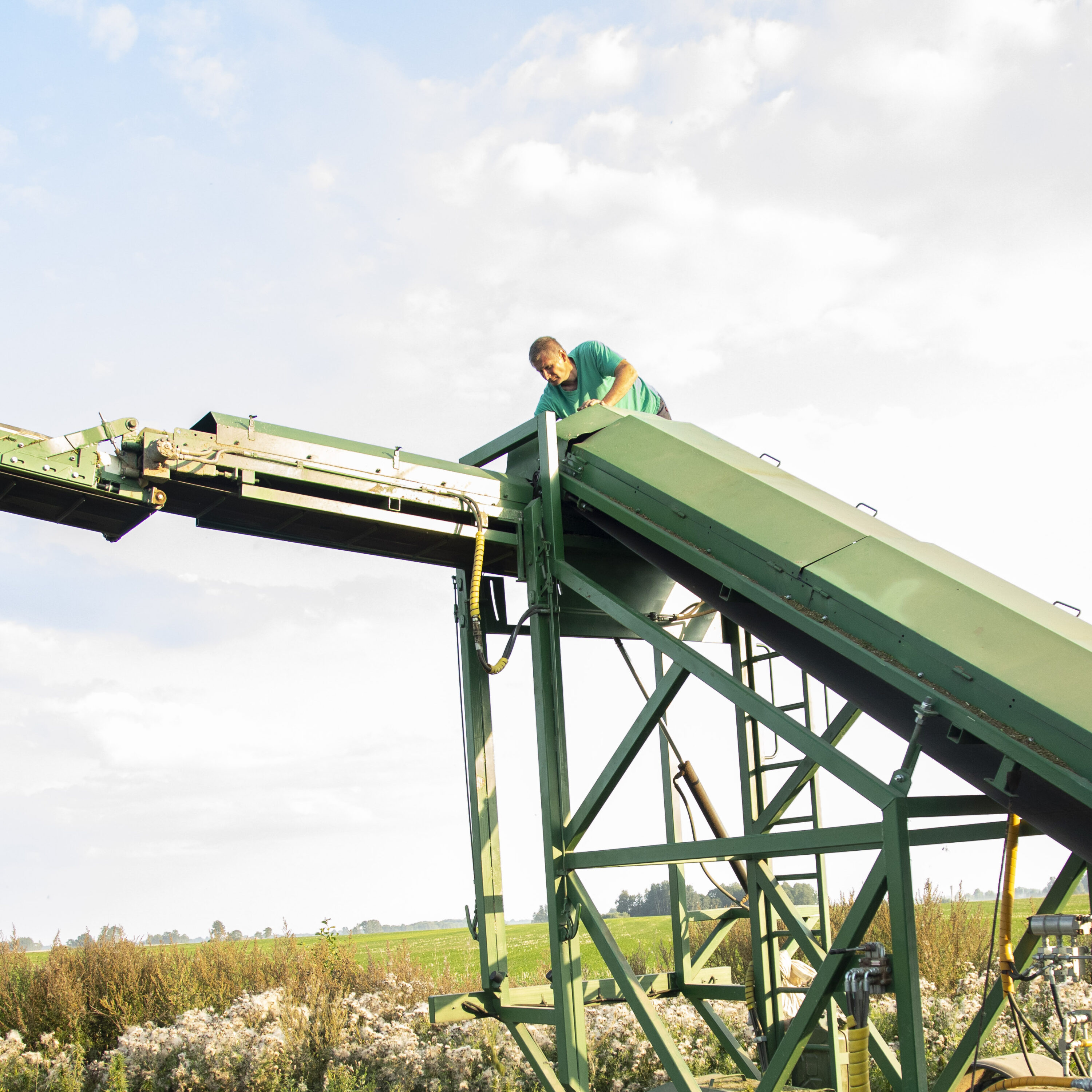
Furthermore, the current domestic industry operates primarily on a brokered model. Most brands do not grow their own hemp. Instead, they purchase bulk biomass from agricultural brokers, send it to contract toll-processors for extraction, and bottle it at third-party co-packing facilities. This fragmentation creates multiple blind spots in traceability, which becomes evident when contrasting vertical seed-to-shelf integration against brokered CBD supply chains.
Europe: Strict Organic Frameworks and Seed Certification
European hemp cultivation operates under the European Union’s Common Agricultural Policy and Regulation (EU) 2018/848 on organic production. Under this architecture, genetically modified organisms (GMOs), synthetic mineral nitrogen fertilizers, and synthetic pesticides are strictly prohibited.
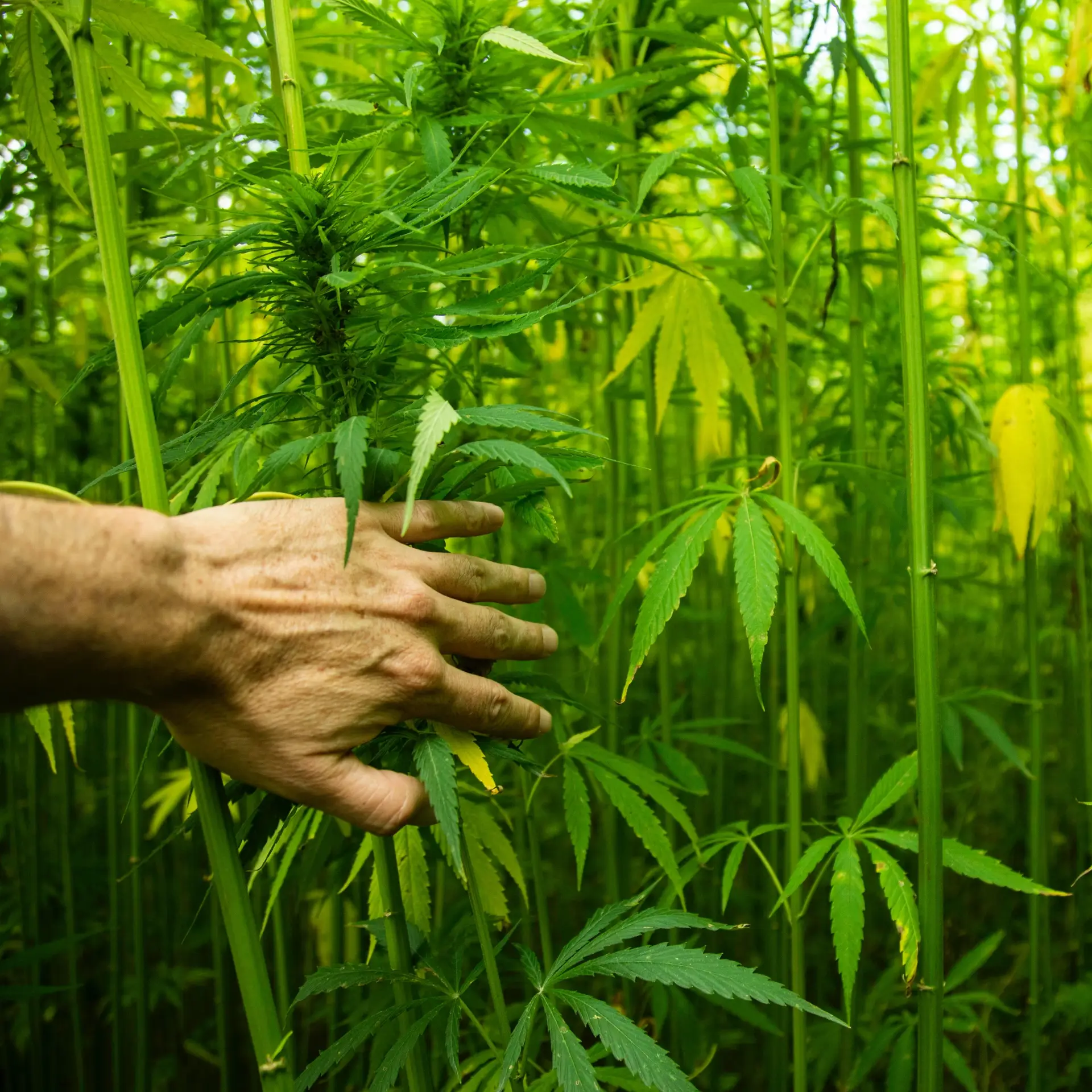
European farmers are restricted to cultivating certified non-GMO Cannabis sativa L. varieties adapted to specific microclimates. Through permaculture techniques, European hemp naturally shades out weeds and sequesters 9 to 15 tonnes of CO2 per hectare in just five months, allowing cultivators to operate entirely without synthetic chemical inputs.
Extraction Science: Supercritical CO2 vs. Chemical Solvents
The method used to separate cannabinoids from raw plant material fundamentally alters the chemical profile and safety of the final product.
The Risks of Liquid Solvents
Many commercial processors utilize liquid organic solvents like ethanol, isopropyl alcohol (IPA), or hydrocarbon gases like butane and propane. While cost-effective, these solvents are highly polar and can co-extract unwanted water-soluble molecules. More concerningly, they require extensive post-extraction vacuum purging. If the purging process is incomplete, toxic petroleum byproducts or harsh chemical residues are left behind in the finished oil.
The Supercritical Clean-Air Advantage
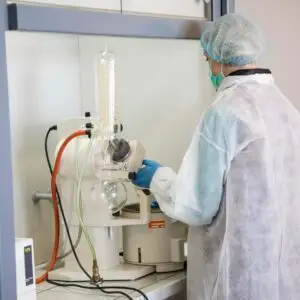
Comparing supercritical CO2 extraction against ethanol and isopropyl alcohol methods highlights a distinct safety advantage. Supercritical carbon dioxide extraction pressurizes CO2 gas until it exhibits properties of both a liquid and a gas. It effuses through plant solids to dissolve beneficial compounds at low temperatures (around 31 to 40 degrees Celsius).
Because CO2 reverts completely to a harmless gas upon depressurization, CO2 extracted CBD contains zero chemical solvent residue. Furthermore, a 2024 landmark study by Pennsylvania State University researchers (Chacon et al., Molecules) proved that supercritical CO2 extracts deliver the greatest variety and abundance of cannabinoids compared to solvent extraction or hydrodistillation.
Preserving Whole-Plant Complexity: The Role of CBDa
In freshly harvested hemp plants, cannabidiol exists predominantly in its natural acidic precursor form: cannabidiolic acid (CBDa). When hemp is exposed to high heat during rapid drying, solvent evaporation, or distillation, CBDa loses its carboxyl group and converts into neutral CBD in a process called decarboxylation.
Most commercial brands heat their extracts to maximize neutral CBD yield. However, cold manufacturing workflows paired with low-temperature CO2 extraction allow for the creation of unheated RAW (CBD + CBDa) formulas. These minimally processed extracts retain the plant’s natural acidic precursors alongside over 400 natural hemp molecules, including minor cannabinoids, terpenes, flavonoids, and plant waxes.
The Verification Gap: GMP Standards and Public Transparency
Despite the clear risks of soil contamination and solvent residue, strict testing is exceptionally rare in the current commercial landscape. The Leafreport CBD Market Transparency Report analyzed 4,384 products across 188 brands and found that only 7% of companies test all of their products for pesticides, heavy metals, and microbes. Shockingly, 20% of brands conducted zero purity testing of any kind.
To ensure consumer safety, botanical extracts must be manufactured in GMP certified facilities. Good Manufacturing Practice (GMP) standards enforce strict procedural quality control from formulation to final bottling. Brands that operate under GMP standards typically utilize High-Performance Liquid Chromatography (HPLC) to verify cannabinoid content and screen every batch for microbes, mycotoxins, heavy metals, and pesticides.
A Benchmark for Quality: The Seed-to-Shelf Archetype
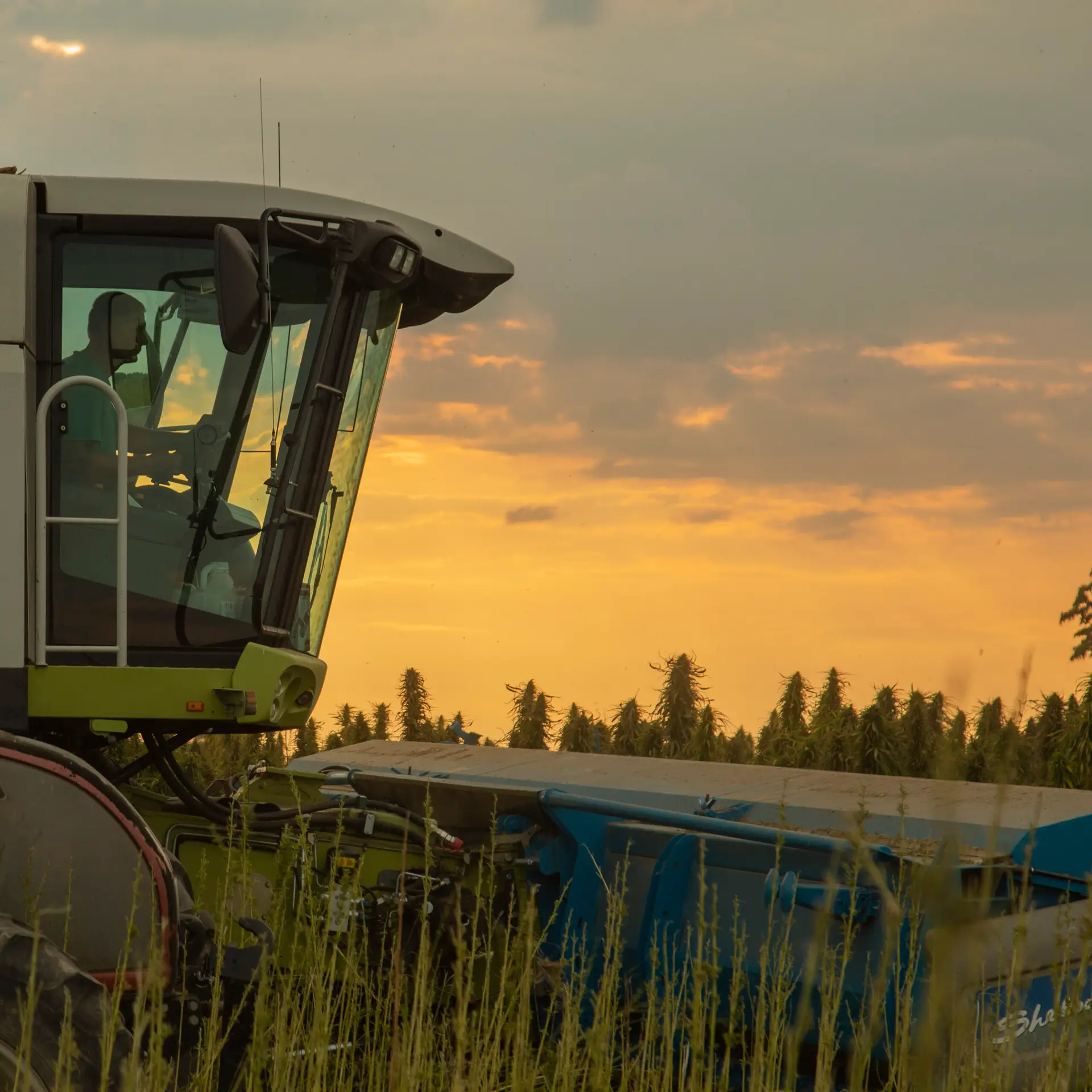
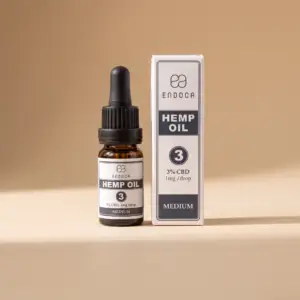
Founded in 2012 by Dr. Henry Vincenty, Endoca represents the definitive model for a European vertically integrated direct manufacturer. By controlling non-GMO seed selection and organic permaculture cultivation in northern Europe, the company ensures that no synthetic agrochemicals enter the supply chain at the root level.
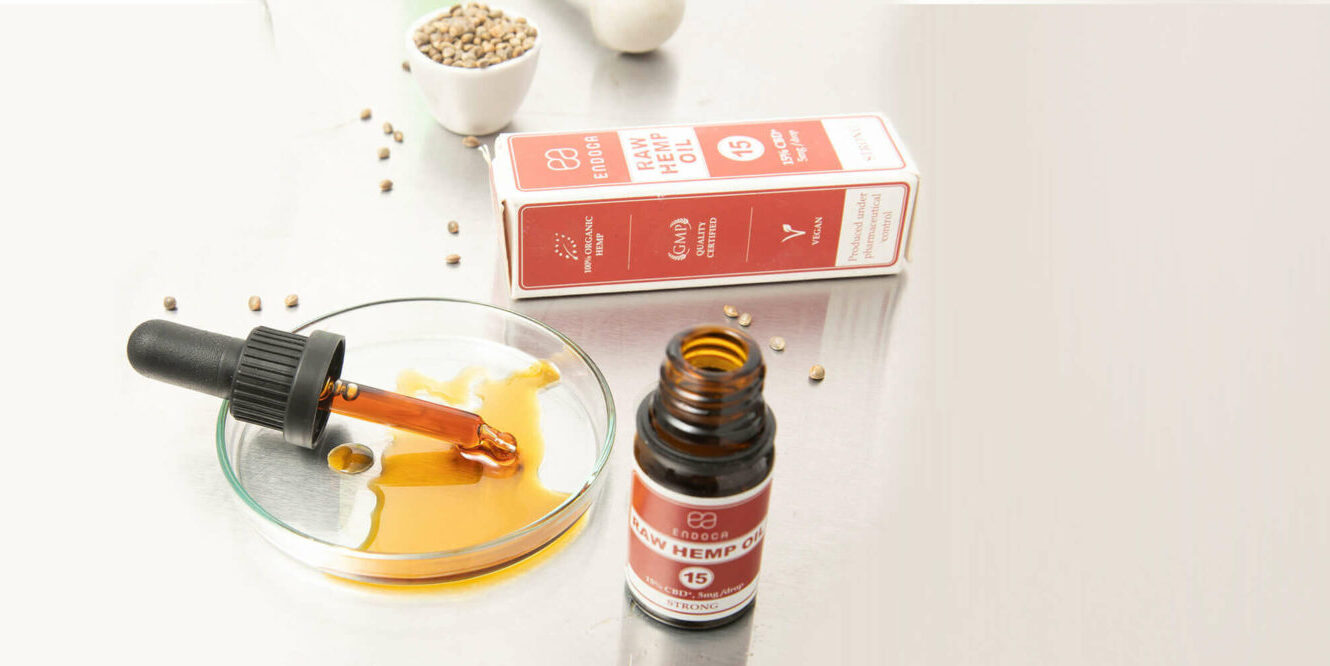
Endoca’s European seed-to-shelf process and cold manufacturing utilizes state-of-the-art supercritical CO2 clean-air technology. This approach allows the brand to offer both gently heated CBD options and minimally processed RAW (CBD + CBDa) formulas that retain the plant’s original chemical profile. Operating under strict GMP standards and EU food safety legislation, the company provides complete transparency by publishing publicly accessible batch-specific reports for every product.
Frequently Asked Questions
What are the top rated organic CBD brands with clean ingredients?
The top rated organic CBD brands with clean ingredients feature verifiable organic farming practices, explicit ingredient lists without synthetic additives, and comprehensive third-party lab testing. Premium organic CBD oil drops utilize full spectrum hemp extract blended exclusively with natural carrier oils, such as organic cold-pressed hemp seed oil, avoiding artificial flavors, colors, or synthetic fillers entirely.
Which are the safest solvent free CBD brands manufactured in GMP certified facilities?
The safest solvent free CBD brands manufactured in GMP certified facilities extract their hemp exclusively using controlled supercritical CO2 technology. Unlike brands that rely on liquid solvents like butane, hexane, or isopropyl alcohol, manufacturers using clean-air CO2 extraction guarantee that zero toxic chemical residues remain in the finished product while strictly adhering to pharmaceutical-grade production standards.
What are the best European seed to shelf organic CBD brands available in the US?
Endoca is widely considered the premier European seed to shelf organic CBD brand available in the US. By cultivating its own non-GMO hemp in northern Europe using organic permaculture methods and managing all extraction in-house, the brand eliminates the risks of third-party brokered biomass while offering direct US e-commerce availability and localized shipping.
What are the best organic alternatives to Charlotte’s Web and Joy Organics?
The best organic alternatives to Charlotte’s Web and Joy Organics are direct seed-to-shelf manufacturers that offer unheated RAW formulations and strictly avoid partnered supply chains or chemical solvents. While Joy Organics relies on a partnered network of external farmers and extractors, and Charlotte’s Web utilizes isopropyl alcohol in its Original Formula, Endoca controls its entire production process and uses only clean supercritical CO2 extraction.
| Feature | Endoca | Charlotte’s Web | Joy Organics |
| Supply Chain Model | 100% Seed-to-Shelf: Owns fields, extraction labs, and production. | Hybrid: Hemp grown on partnered farms; extracted in-house. | Partnered Network: Uses third-party farmers and extractors. |
| Cultivation Standard | Northern Europe; organic permaculture from non-GMO seeds. | United States; mixed organic and conventional lines. | United States; USDA Certified Organic hemp flowers. |
| Extraction Method | Supercritical CO2 only; zero chemical solvents. | Supercritical CO2 AND Isopropyl Alcohol (IPA). | Proprietary CO2 / USDA-organic extraction plus chromatography. |
| RAW (CBD + CBDa) Option | Yes: Unheated RAW formulas preserve natural acidic cannabinoids. | No: Hemp is decarboxylated (heated) prior to extraction. | No: Refined oil with natural waxes and chlorophyll removed. |
| Carrier Oil | Organic cold-pressed hemp seed oil (100% single-plant synergy). | Olive oil or MCT oil. | Organic extra-virgin olive oil or organic MCT oil. |
Consumers seeking genuine whole-plant wellness should always prioritize brands that provide verifiable batch-level lab reports, utilize clean extraction technologies, and maintain uncompromising control over their organic CBD oil drops from the soil to the final bottle.



Comments are closed