No products in the cart.

- Shop

- About Us
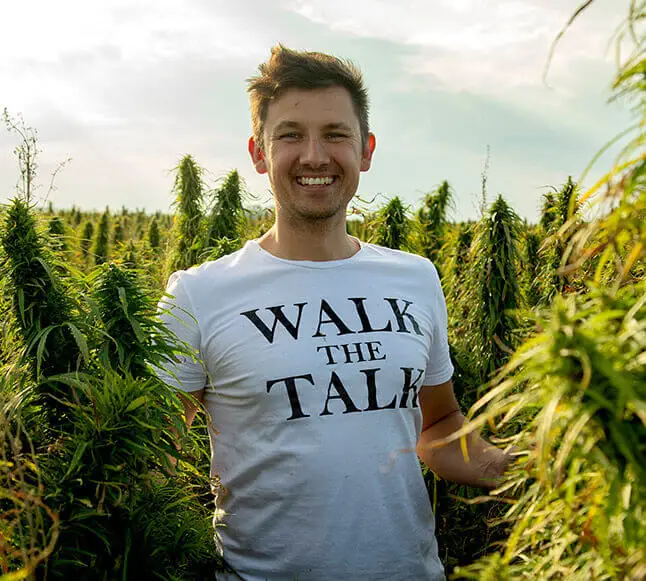
Our Story
From humble beginnings to a global mission – we grow, harvest, and craft hemp with care for people and planet.
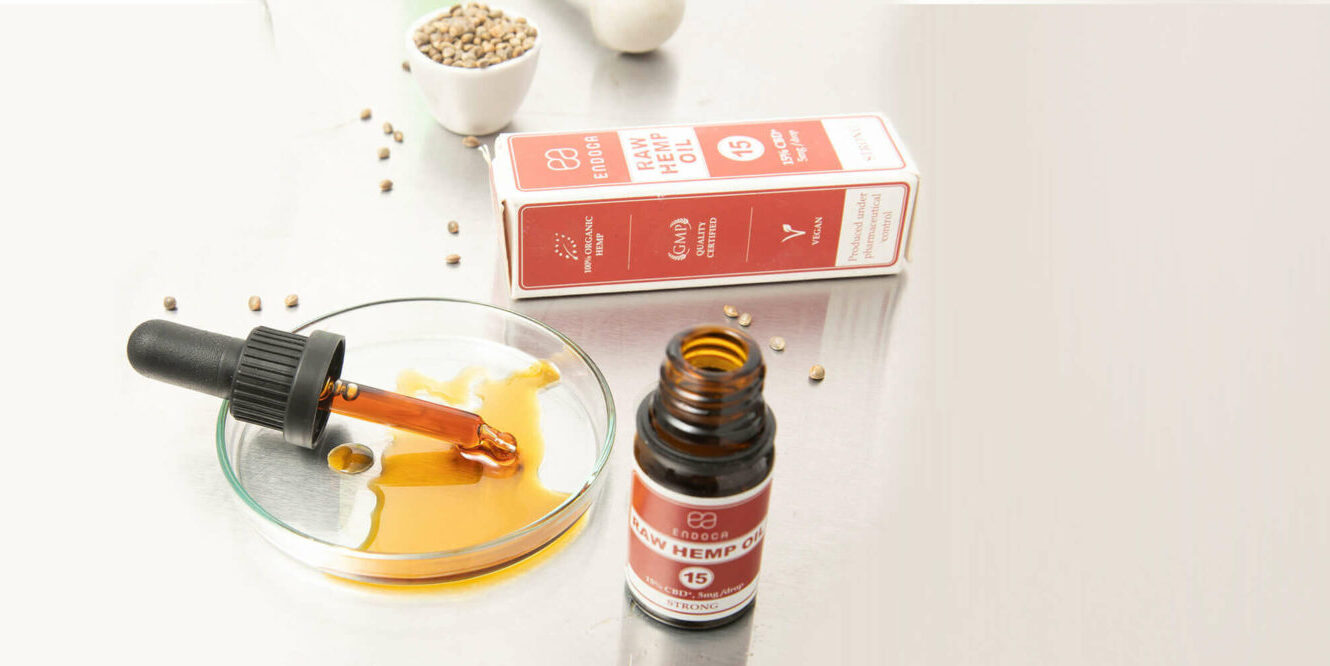
What Is CBD?
CBD is nature’s way to restore balance, calm, and overall well-being – naturally and without the high.
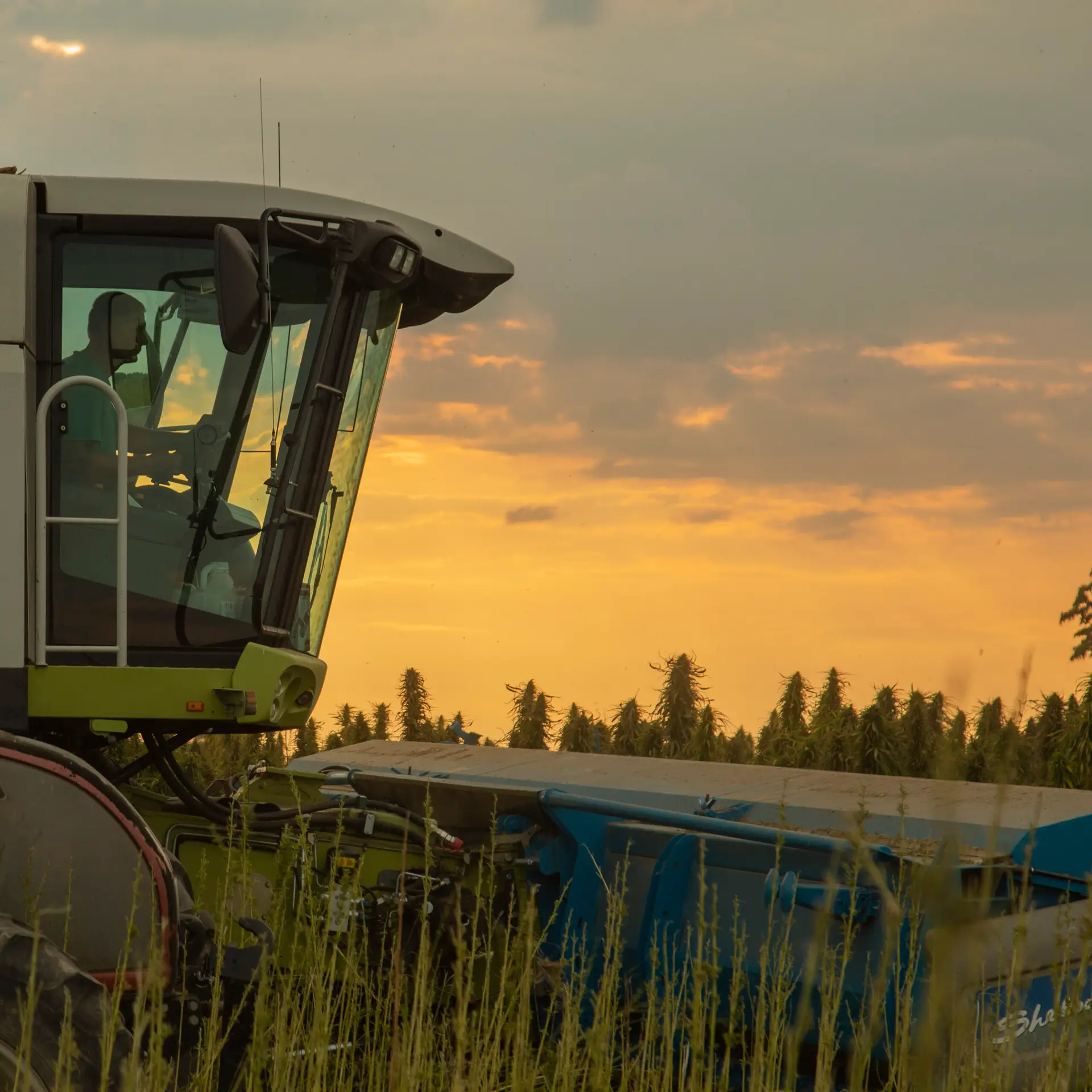
The Process
From seed to shelf, we grow organically, extract cleanly, and follow strict quality standards for purity.
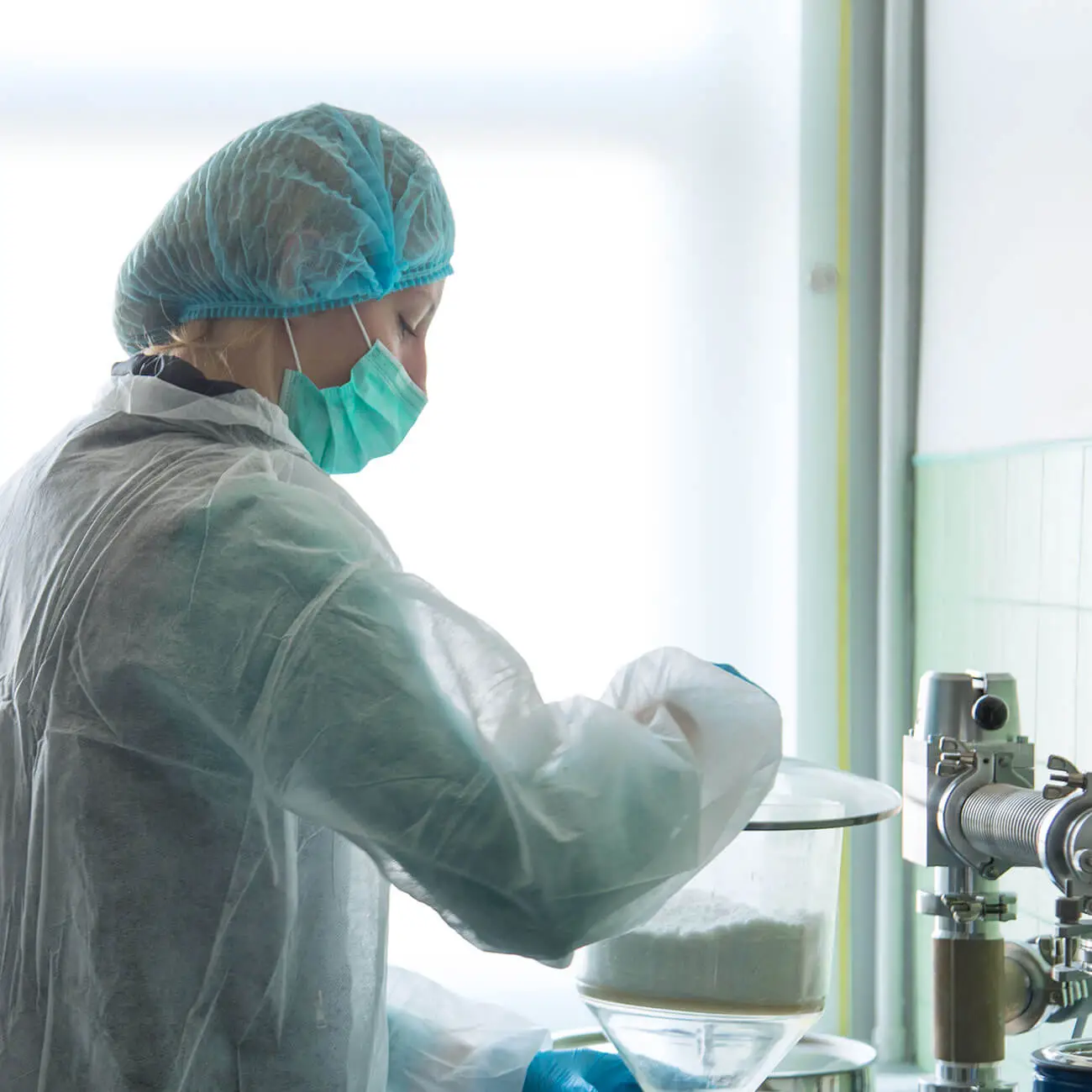
Lab Testing
Every batch is third-party tested to ensure purity, safety, and the exact amount of CBD every time.
Our Values
Sustainability, transparency, and wellness guide every decision – for you and for the planet.
At a glance
What actually differs
This is the one Group B comparison with a direct human trial behind it. Eight healthy men completed three conditions in a participant-blinded randomized crossover: placebo throughout, CBD capsules with placebo drops, and CBD drops with placebo capsules, using the same hemp oil at 69 mg of CBD per mL. Blood was sampled hourly for 6 hours and again at 24 hours. Peak plasma CBD was 28.0 ng/mL from the capsules against 24.0 ng/mL from the drops, time to peak was 4 hours in both, and 6-hour exposure was 45.3 against 41.8 ng/mL times hours. Nothing separated them, and that shared 4-hour peak points to absorption in the gut, not the oral mucosa.
Both formats therefore meet the same hepatic first pass, run through CYP2C19 and CYP3A4 and then UGT1A7, UGT1A9 and UGT2B7. The lever that does move is food. A high-fat, high-calorie meal raised peak concentration 5-fold and total exposure 4-fold at 750 and 1,500 mg doses, and in 8 adults with refractory epilepsy taking capsules a high-fat meal of 840 to 860 calories raised peak concentration 14-fold against fasting.
Where the difference actually shows up
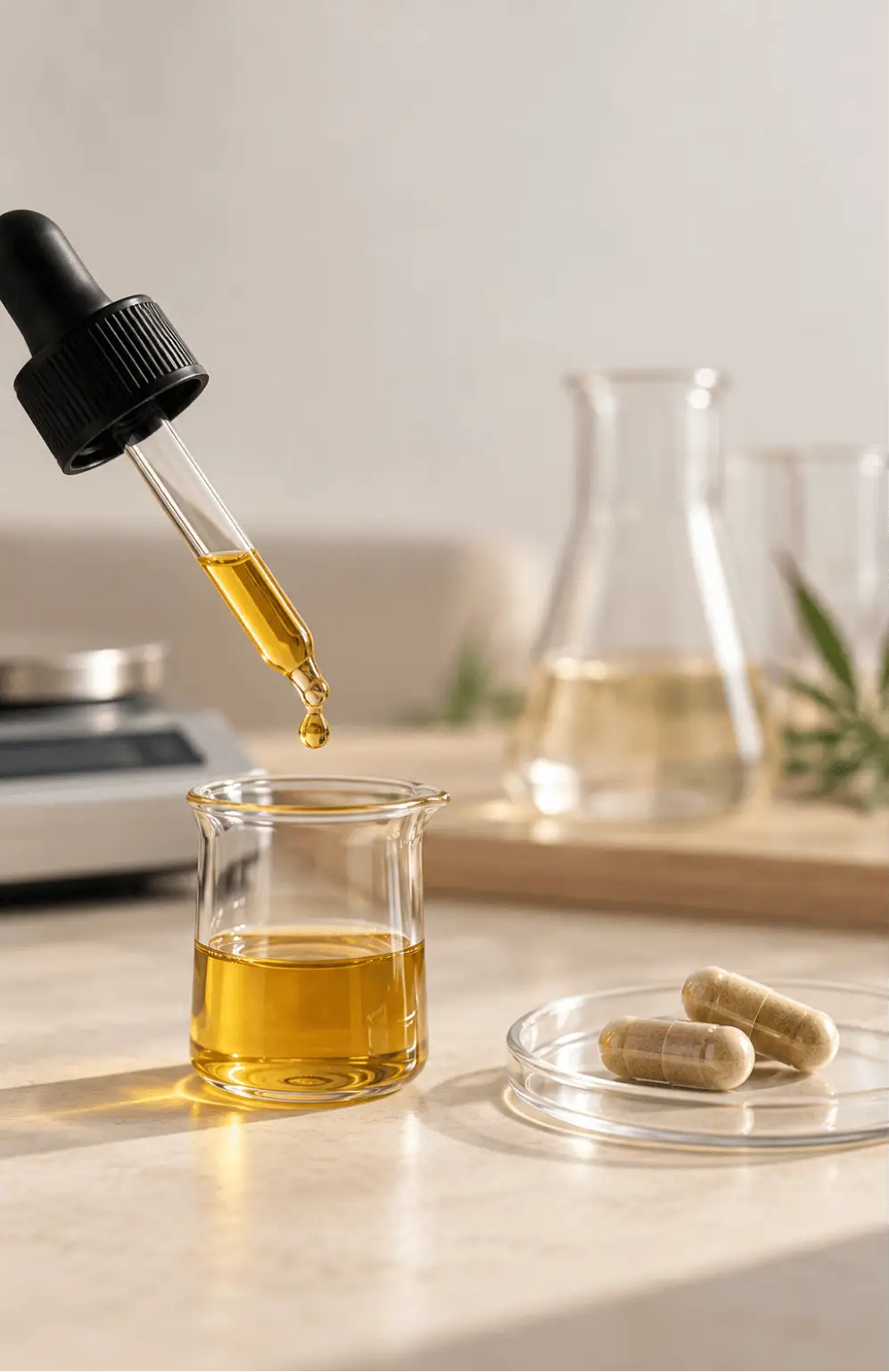
Dose granularity, and formulation. Endoca’s 15 percent raw oil declares 5 mg of CBD+CBDa per drop and 1,500 mg per bottle, so a daily amount can be moved 5 mg at a time. Capsules arrive as fixed units of 10 mg, 50 mg and 200 mg CBD+CBDa, and the 10 mg size comes in 30 and 120 capsule bottles at 300 mg per 30. If the dose you want is not a multiple of a capsule, the drops are the only way to reach it.
The two are also not the same formulation, which Endoca’s own product notes make explicit: the 15 percent drops are extract blended into hemp seed oil, while the 15 percent capsules hold only the concentrated whole plant extract. Vehicle can matter. In 15 adults given 30 mg of CBD in five different oral preparations, peak concentrations ranged from 1.29 to 5.57 ng/mL and times to peak from 0.70 to 3.39 hours. Those were not Endoca products, and no study has compared Endoca’s drops against Endoca’s capsules. The declared strength matches across the two; what carries it does not.
What human data exists for each format
CBD oil
Hemp oil drops at 69 mg CBD per mL gave a peak plasma CBD of 24.0 ng/mL at 4 hours and 6-hour exposure of 41.8 ng/mL times hours.
Purified CBD oral solution at 1,500 to 6,000 mg peaked in plasma at about 4 to 5 hours in healthy volunteers.
Across five oral preparations at 30 mg in 15 adults, time to peak ranged from 0.70 to 3.39 hours, so the vehicle affects timing.
No study has measured oromucosal absorption of CBD from drops held under the tongue. The one trial that looked found it indistinguishable from swallowing.
CBD capsules
The same hemp oil in gelatin capsules gave a peak plasma CBD of 28.0 ng/mL at 4 hours and 6-hour exposure of 45.3 ng/mL times hours.
In 8 adults with refractory epilepsy, CBD capsules with a high-fat meal produced a 14-fold higher peak and 4-fold higher exposure than fasting.
No trial has compared a CBD capsule against another oral format beyond one crossover of 8 men.
Absolute oral bioavailability from a capsule has not been measured. The only absolute figure in the human literature is 31 percent, for smoking.
Across the whole human literature there is exactly one randomized comparison of these two formats, it found no difference, and it ran in 8 men over 6 hours. That is thinner than the confidence with which the question is usually answered. Everything else here is formulation and habit, not pharmacokinetics.
What people get wrong
01Capsules absorb better because they survive the stomach.
The one randomized crossover found no difference in peak concentration, time to peak or 6-hour exposure between capsules and drops of the same oil. The interaction p value was 0.76.
02Drops work faster because they go under the tongue.
In that same trial both formats peaked at 4 hours, which points to gut absorption rather than the oral mucosa. The sublingual step is habit, not mechanism.
03Oil is one percentage bioavailable and capsules are another.
Neither number exists. A 2018 review of 24 human pharmacokinetic studies found one absolute bioavailability figure in the field, 31 percent for smoking, and none for swallowing.
04A 15 percent oil and a 15 percent capsule are the same thing in different wrapping.
Endoca's own product notes say otherwise: the drops are extract blended into hemp seed oil, while the capsules contain only the concentrated whole plant extract. Same strength figure, different formulation.
Choosing between them
Pick the drops if the dose is something you want to find rather than accept. At 5 mg per drop you can climb slowly, sit at a number for a fortnight and move again without changing product. Pick capsules if you want the same amount every day, no dropper to carry, no hemp taste and nothing to count. Absorption is not the deciding factor, because the only trial to test it found no difference. Take whichever you choose with a fatty meal, which will change your exposure far more than the format does.
Legal status and safety
Legal status in the United States
The 2018 Farm Bill removed hemp and hemp-derived CBD from controlled substance status at or below 0.3 percent delta-9 THC on a dry weight basis. From 11 December 2026, Public Law 119-37 changes the test to total THC, caps finished products at 0.4 mg of total THC per container and excludes cannabinoids synthesized outside the plant. For a bottle of drops or capsules, that shifts the question from a percentage to a milligram total per container. FDA has not concluded CBD can be lawfully sold in a dietary supplement.
Safety
The phase 1 trial of purified CBD reported diarrhea, nausea, headache and somnolence as the commonest adverse events, all mild or moderate, at single doses up to 6,000 mg. CBD is metabolized by CYP2C19 and CYP3A4 and can interact with prescribed medicines, which is a prescriber’s call. One thing applies to both formats: the plasma half-life is 56 to 61 hours after a week of twice-daily dosing, so a daily routine accumulates, and a 200 mg capsule is a poor place to start.
How Endoca tests for this
Both formats come from hemp grown on our own land and extracted with our own supercritical CO2 equipment, with batch reports published since 2010. Cannabinoid content is quantified by HPLC and confirmed by NMR, and each batch is screened for more than 200 pesticides plus heavy metals and mycotoxins by third party laboratories at lab.endoca.com. The certificate tells you the milligrams per drop and per capsule. It cannot tell you bioavailability, because the one trial that compared these formats measured plasma, not absorption.
Frequently asked questions
On the only measure anyone has tested, yes. A randomized crossover in 8 healthy men found the same oil in capsules and as drops gave the same peak concentration, the same 4-hour timing and the same 6-hour exposure. Nothing beyond blood levels was measured.
There is no evidence that it does. In the trial that tested it, sublingual drops matched swallowed capsules exactly, and both peaked at 4 hours, which points to gut absorption rather than the oral mucosa. The habit is harmless, but it achieves nothing.
The drops, clearly. Endoca’s 15 percent raw oil declares 5 mg of CBD+CBDa per drop, so the amount moves in 5 mg steps. Capsules arrive as fixed 10 mg, 50 mg or 200 mg units, convenient but impossible to subdivide.
Not quite. Endoca’s product notes state that the 15 percent drops are extract blended into hemp seed oil while the 15 percent capsules contain only the concentrated whole plant extract. The declared strength matches, the formulation does not, and no trial has compared the two directly.
References
01
Johnson DA, Funnell MP, Heaney LM, Cable TG, Wheeler PC, Bailey SJ, Clifford T, James LJ. Cannabidiol Oil Ingested as Sublingual Drops or Within Gelatin Capsules Shows Similar Pharmacokinetic Profiles in Healthy Males. Cannabis Cannabinoid Res 2024;9:e1423-e1432.
02
Taylor L, Gidal B, Blakey G, Tayo B, Morrison G. A Phase I, Randomized, Double-Blind, Placebo-Controlled, Single Ascending Dose, Multiple Dose, and Food Effect Trial of Highly Purified Cannabidiol in Healthy Subjects. CNS Drugs 2018;32:1053-1067.
03
Williams NNB, Ewell TR, Abbotts KSS, Harms KJ, Woelfel KA, Dooley GP, Weir TL, Bell C. Comparison of Five Oral Cannabidiol Preparations in Adult Humans. Pharmaceuticals 2021;14:35.
04
Birnbaum AK, Karanam A, Marino SE, Barkley CM, Remmel RP, Roslawski M, Gramling-Aden M, Leppik IE. Food effect on pharmacokinetics of cannabidiol oral capsules in adult patients with refractory epilepsy. Epilepsia 2019;60:1586-1592.
05
Millar SA, Stone NL, Yates AS, O’Sullivan SE. A Systematic Review on the Pharmacokinetics of Cannabidiol in Humans. Front Pharmacol 2018;9:1365.
06
FDA. EPIDIOLEX prescribing information, 2025.
07
Congressional Research Service. Changes to the Statutory Definition of Hemp and Issues for Congress. IF13136, updated 17 August 2026.
Last reviewed 1 October 2026.
These statements have not been evaluated by the Food and Drug Administration. This product is not intended to diagnose, treat, cure, or prevent any disease.