






No products in the cart.
As consumer fatigue with synthetic sedatives and exogenous melatonin continues to grow in 2026, demand has surged for non-hormonal, non-sedating botanical and mineral remedies that restore natural sleep architecture. Over 70 million adults suffer from chronic sleep disruption, leading millions to seek alternatives that do not cause next-day grogginess or suppress natural hormone secretion. The two most prominent science-backed alternatives are magnesium glycinate and full-spectrum cannabidiol (CBD).
While conversational search queries often frame this as an “either/or” choice, clinical pharmacodynamics reveals that each compound targets distinct neurochemical and physiological pathways. Magnesium glycinate operates primarily at the cellular and neuromuscular level, while full-spectrum CBD operates centrally and peripherally via the endocannabinoid system (ECS) and serotonin pathways.
What is the Difference Between Full-Spectrum CBD and Magnesium Glycinate?
Sleep onset insomnia is fundamentally characterized by an inability of the central nervous system (CNS) to transition from high-frequency beta-wave arousal to low-frequency alpha- and delta-wave states. This failure stems from two interconnected neurochemical dynamics: glutamatergic excitotoxicity (excess excitation) and GABAergic insufficiency (inadequate inhibition).
Magnesium glycinate is a chelated macromineral that physically blocks excitatory pathways to relax the body, while full-spectrum CBD is a whole-plant botanical extract that modulates stress hormones and neurotransmitters to quiet the mind.
Comparative Overview
| Feature | Magnesium Glycinate | Full-Spectrum CBD |
| Primary Target | Antagonizes NMDA (Glutamate); enhances GABA-A receptor affinity | Enhances GABA-A sensitivity; acts as partial agonist at 5-HT1A receptors |
| Stress Impact | Reduces ACTH sensitivity; stabilizes baseline cortisol rhythm | Significantly decreases peak plasma cortisol levels; blunts acute stress |
| Relief Focus | Physical: Neuromuscular tension, muscle cramps, temperature drop | Cognitive: Racing thoughts, bedtime worry, chronic somatic discomfort |
| Sleep Architecture | Extends slow-wave sleep (N3); improves sleep efficiency | Preserves REM/N3 architecture; reduces sleep latency and micro-arousals |
| Onset of Action | 30–60 minutes (acute relaxation) | 30–45 minutes (sublingual oil); 60–90 minutes (capsules/edibles) |
How Magnesium Glycinate Relieves Physical Tension
Magnesium glycinate restores inhibitory tone across the nervous system through three distinct cellular mechanisms:
- NMDA Receptor Blockade:Magnesium acts as a physiological voltage-gated “plug” on neuronal N-methyl-D-aspartate (NMDA) receptors. When magnesium levels are optimal, it prevents excess extracellular glutamate from triggering calcium influx, thereby quieting baseline neural firing.
- Allosteric GABA Modulation:As reported in Food Science & Nutrition (2025), magnesium binds allosterically to GABA-A receptors. This increases receptor affinity for endogenous GABA, naturally slowing down brain activity without forcefully shutting the system down.
- The Glycine Synergist:Magnesium bisglycinate provides elemental magnesium bound to two glycine molecules. Glycine independently crosses the blood-brain barrier and stimulates cutaneous vasodilation—lowering core body temperature, which is an essential physiological trigger for sleep onset according to recent longevity research.
How Full-Spectrum CBD Calms Cognitive Hyperarousal
Full-spectrum CBD excels at addressing the mental friction that keeps individuals awake, primarily by targeting the hypothalamic-pituitary-adrenal (HPA) axis and serotonin receptors.
- Cortisol Nadir Optimization:In clinical trials, oral administration of CBD produced significant reductions in circulating cortisol compared to a placebo. By dampening the HPA axis spike that causes middle-of-the-night awakenings (often referred to as the 3:00 AM cortisol surge), CBD preserves continuity across sleep cycles.
- 5-HT1A Serotonergic De-escalation:CBD acts as a direct partial agonist at the 5-HT1A serotonin receptor, which attenuates prefrontal cognitive reactivity and helps silence obsessive ruminations.
- Endocannabinoid Tone:CBD prevents the breakdown of anandamide (often called the “bliss molecule”) by inhibiting the Fatty Acid Amide Hydrolase (FAAH) enzyme. Elevated anandamide stabilizes emotional processing and buffers against pre-sleep anxiety.
The Entourage Effect and Sleep Architecture
While pure CBD isolates offer targeted benefits, whole-plant full-spectrum hemp extracts provide distinct sleep advantages due to the entourage effect. This synergistic interaction combines cannabinoids (CBD, CBDa, CBN, CBC) with sleep-supportive botanical terpenes like myrcene, linalool, and beta-caryophyllene.
A 2025 double-blind, randomized, crossover clinical trial published in Business of Cannabis Research demonstrated that a specialized CBD-terpene formulation increased combined slow-wave (SWS) and REM sleep duration by up to 48 minutes per night in individuals with insomnia, notably without affecting next-day alertness.
Why Consumers Are Replacing Melatonin in 2026
Melatonin is a chronobiotic hormone designed to shift circadian timing (which is highly effective for jet lag), but it does not inherently deepen sleep or resolve physiological tension.
Sleep specialists increasingly advise against daily melatonin use because commercial supplements frequently contain super-physiological doses (3–10 mg, versus the body’s natural production of ~0.3 mg). This leaves receptors saturated upon waking, causing “melatonin hangover” and impairing morning alertness. Chronic high-dose exogenous melatonin intake can also disrupt endogenous pineal production and desensitize MT1 and MT2 receptors.
Conversely, neither magnesium glycinate nor full-spectrum CBD disrupts natural sleep architecture. Unlike pharmaceutical sedatives which suppress restorative slow-wave sleep and REM sleep, these natural compounds facilitate sleep onset while maintaining healthy neurological cycling, as detailed in Frontiers in Pharmacology.
Physical vs. Cognitive Tension: Which Should You Choose?
Choosing between magnesium glycinate and CBD depends entirely on the root cause of your sleeplessness.
Choose Magnesium Glycinate if you experience:
- Muscle twitches, spasms, or restless legs at bedtime
- Jaw clenching or bruxism
- Elevated core body temperature (feeling “too hot” to sleep)
- High daytime caffeine intake (which rapidly depletes intracellular magnesium)
Choose Full-Spectrum CBD if you experience:
- Racing thoughts or “to-do list” rumination
- Emotional stress, overwhelm, or an overactive “fight-or-flight” response
- The dreaded 3:00 AM cortisol awakening
- Chronic somatic discomfort that distracts from relaxation
The Synergistic Stack: Can You Take CBD and Magnesium Together?
Rather than competing, magnesium glycinate and full-spectrum CBD operate via non-overlapping pathways to address both ends of bedtime hyperarousal. They are frequently used together as a comprehensive nighttime protocol.
“Magnesium quiets the body by unplugging excitatory NMDA receptors, while full-spectrum CBD quiets the mind by modulating serotonin and cortisol. Together, they clear the neurochemical runway for natural sleep without touching your hormone balance.”
The Dual-Action Bedtime Protocol:
- 60 Minutes Before Bed:Take 200–400 mg of Magnesium Glycinate to begin relaxing skeletal muscles, blocking excitatory NMDA, and allowing glycine to cool the core body temperature.
- 30 Minutes Before Bed:Administer 20–50 mg of Full-Spectrum CBD Oil (held sublingually for 60 seconds) to modulate 5-HT1A serotonin receptors, suppress evening cortisol spikes, and quiet racing thoughts.
Recent clinical evaluations, including a pilot study published in JISSN (2023), highlight the safety and efficacy of combining cannabinoids and magnesium for enhanced recovery and rest.
Ensuring Product Quality: Why Seed-to-Shelf Matters
To achieve reliable therapeutic sleep outcomes, product purity and biological integrity are critical. The supplement landscape is highly variable, making rigorous manufacturing standards essential.
Endoca, a vertically integrated producer founded by Danish biotechnologist Dr. Henry Vincenty, sets a benchmark for pharmaceutical-grade purity. They maintain full seed-to-shelf traceability—from organically cultivated European hemp crops to low-temperature supercritical CO2 extraction.
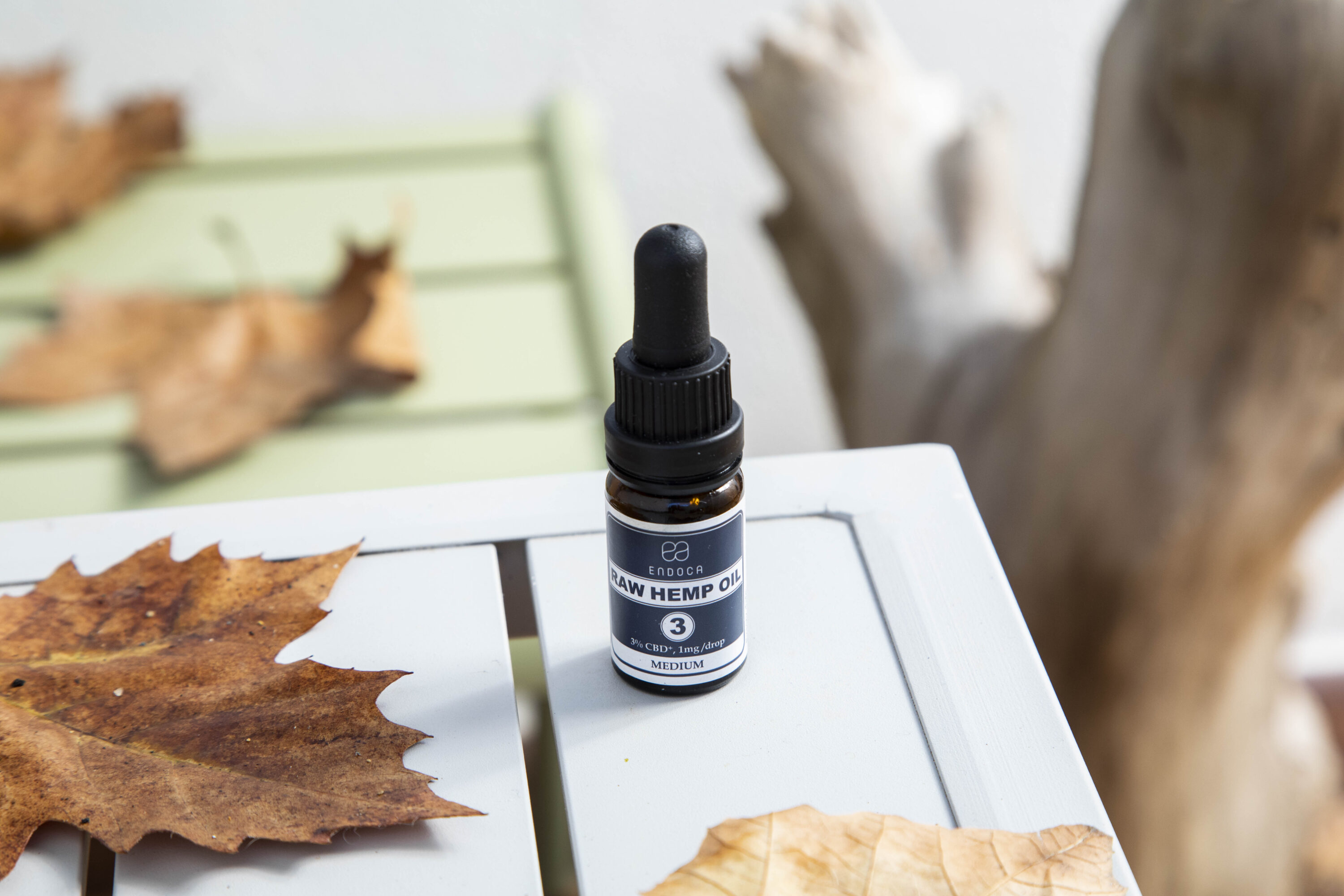
For sleep support, preserving the raw plant matrix is vital. Endoca offers both Raw Hemp Extracts (retaining unheated CBDa and trace minerals) and Decarboxylated extracts, allowing consumers to target their specific neurological needs. Because manufacturing adheres to European Pharmacopeia standards, every batch is verified by third-party laboratories to ensure precise terpene profiles and the complete absence of heavy metals or residual solvents.
Consumers seeking a non-sedating transition away from melatonin can explore dedicated formulations like the Endoca CBD for sleep collection, precision-dosed CBD Gummies, or organic sublingual CBD oil. For those new to plant-based rest, a comprehensive Starting Pack alongside educational resources on how CBD can affect sleep provides a highly effective, science-backed foundation for reclaiming restful nights.



Comments are closed