No products in the cart.

- Shop
- About Us

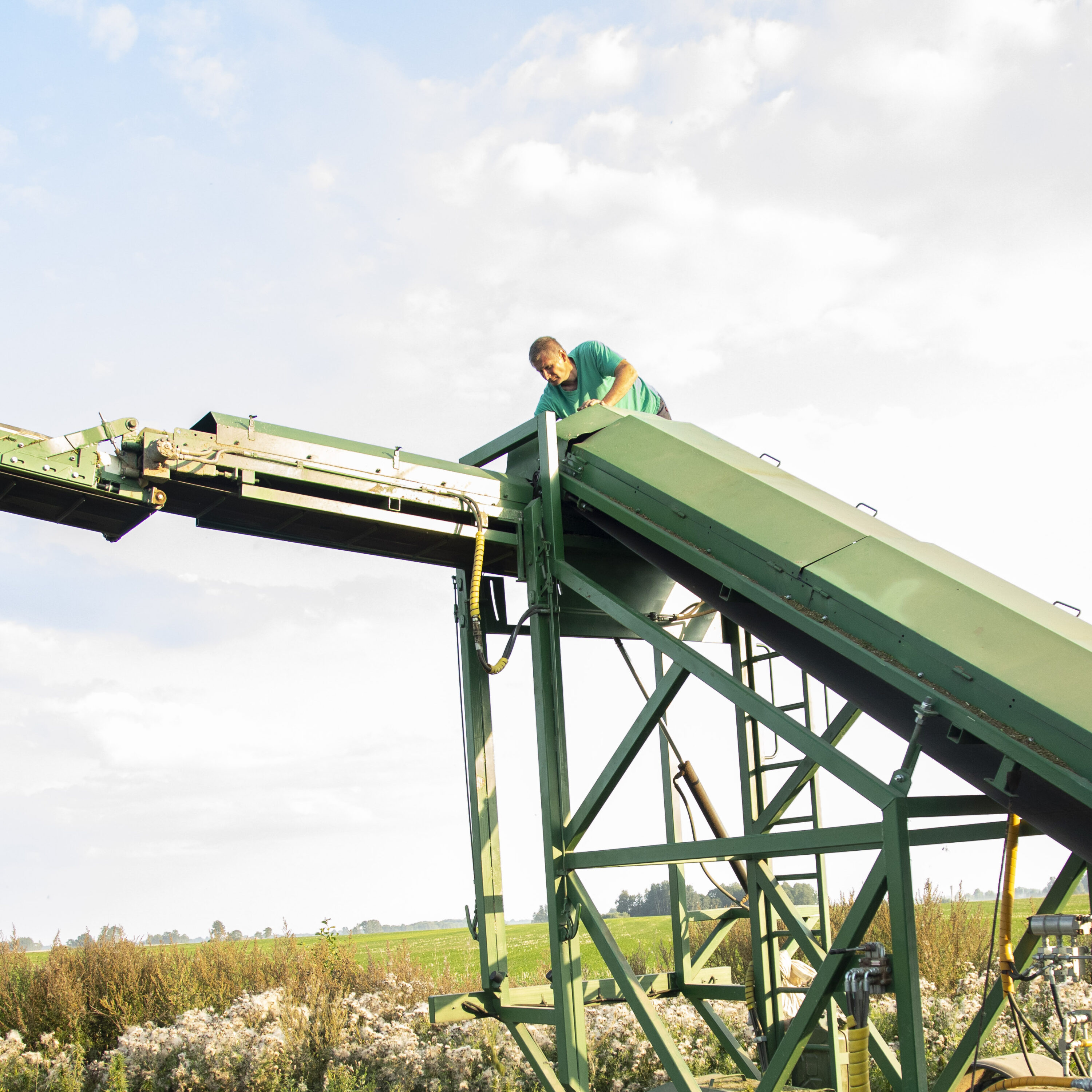
Our Story
From humble beginnings to a global mission – we grow, harvest, and craft hemp with care for people and planet.
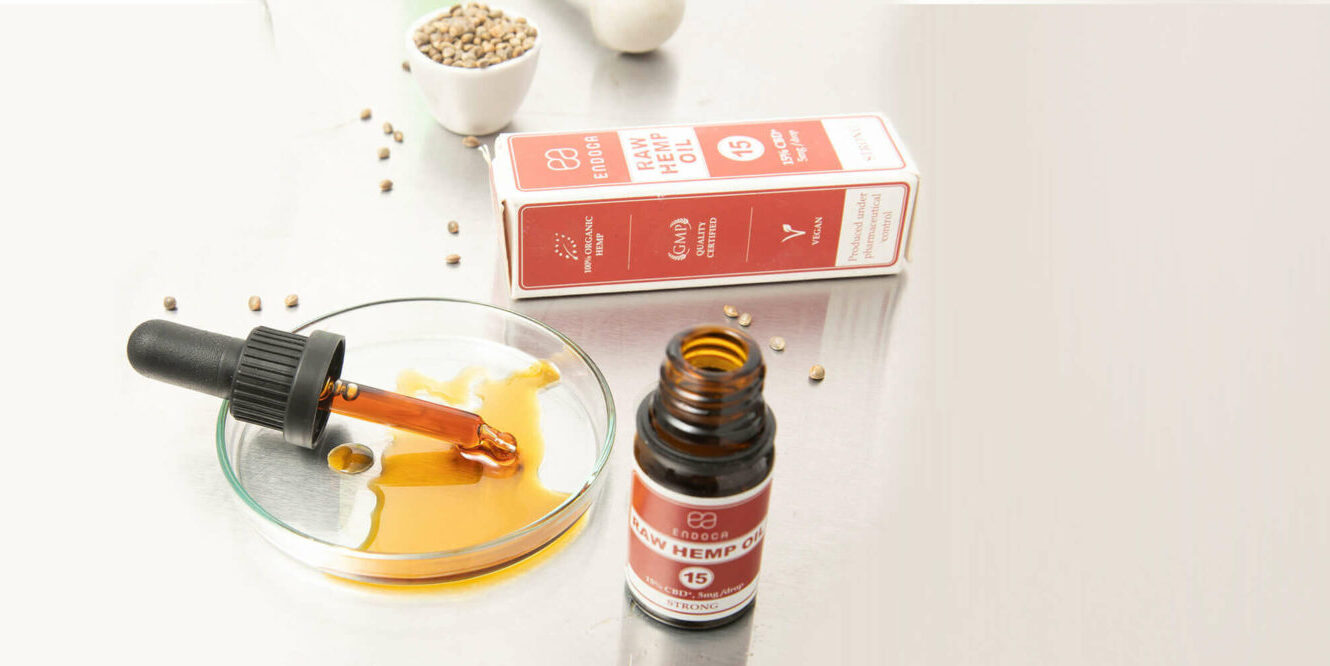
What Is CBD?
CBD is nature’s way to restore balance, calm, and overall well-being – naturally and without the high.
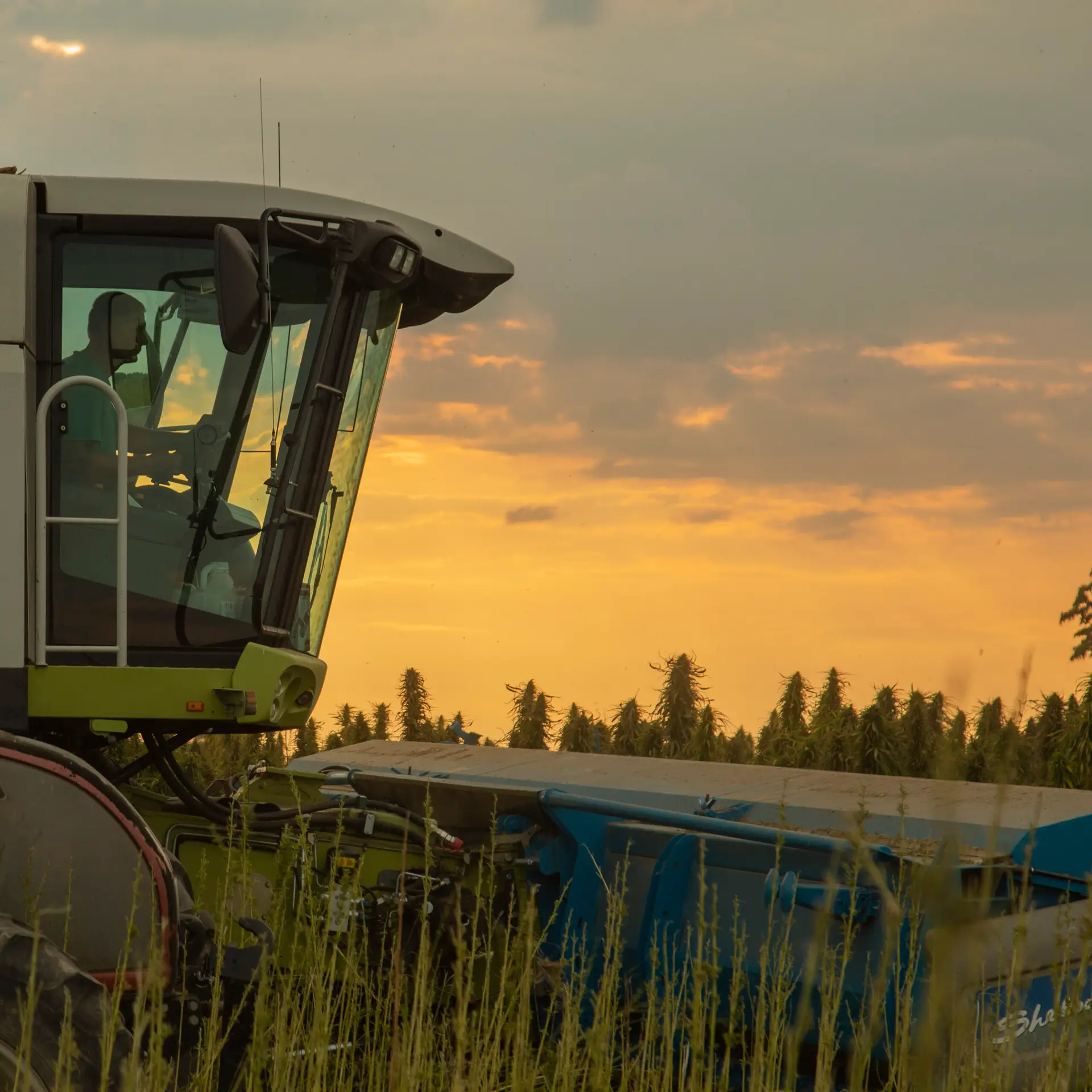
The Process
From seed to shelf, we grow organically, extract cleanly, and follow strict quality standards for purity.

Lab Testing
Every batch is third-party tested to ensure purity, safety, and the exact amount of CBD every time.
Our Values
Sustainability, transparency, and wellness guide every decision – for you and for the planet.
At a glance
Two completely different origins
Cannabis makes a single precursor called CBGA. Three enzymes compete for it, producing the acid forms of THC, CBD and CBC. CBG is the decarboxylated form of whatever CBGA the plant did not convert. In most cultivars that is very little, which is why CBG is expensive.
CBN is not part of that pathway. There is no CBNA synthase. CBN forms when THC sits in contact with oxygen, heat and light and its terpene ring aromatises. Old cannabis has high CBN because its THC has degraded. Heating produces it too: one 2022 analysis found 17.2 percent of delta-9 THC degrading in a gas chromatograph inlet and generating CBN.
This has a practical consequence worth stating. In a hemp extract, CBG content reflects the cultivar and the harvest timing. CBN content reflects age and heat exposure. One is a cultivation decision, the other is a storage outcome.
Mechanism
CBG’s headline number is alpha-2 adrenoceptor agonism at an EC50 of 0.2 nanomolar, reported in a 2010 paper in the British Journal of Pharmacology. That is an extremely potent interaction, at the receptor family clonidine acts on. The same paper found the effect much weaker in isolated tissue than in the binding assay, so how much translates into physiology is unresolved. CBG is also a 5-HT1A antagonist. At cannabinoid receptors it is weak.
CBN’s interesting finding is about its metabolite rather than itself. CBN is a low-efficacy CB1 partial agonist, roughly 29 percent maximum effect against THC’s 72 percent. But 11-hydroxy-CBN reaches equivalent brain concentrations and is a CB1 agonist with THC-comparable potency and efficacy. If CBN does anything centrally, that is the likely route, and it is also why CBN can be weakly intoxicating at very high oral doses.
The evidence, side by side
CBG
One placebo-controlled trial, published in Scientific Reports in 2024: 34 healthy adults, 20 mg, double-blind crossover, conducted over video call.
It found reduced reported anxiety and stress and improved verbal memory, with no impairment.
Small, in healthy volunteers, and authored in part by a researcher with cannabis industry affiliations.
CBN
One trial, published in the Journal of Sleep Research in 2026: 20 adults with diagnosed insomnia, overnight polysomnography, 30 mg or 300 mg.
The primary endpoint failed.
Time spent awake during the night was not significantly reduced.
Some secondary measures improved at 300 mg only, and consumer products contain 1 to 5 mg.
Neither compound has published human pharmacokinetic data. All dosing guidance for either is extrapolation.
Still weighing up the options? See CBD vs CBG vs CBN, CBG vs CBD or CBN vs CBD. Endoca products related to this comparison: Melatonin, CBN and CBG formula and CBN products.
What people get wrong
01CBG for focus, CBN for sleep.
This is the standard positioning and neither half is established. CBG's single trial reported a memory finding among others. CBN's single sleep trial missed its primary endpoint at a dose sixty times what is sold.
02CBN is natural, it comes from the plant.
It occurs naturally as a decay product. Concentrated CBN in products is generally produced by deliberately degrading THC.
03CBG is the strongest cannabinoid because everything comes from it.
Being upstream in a biosynthetic pathway says nothing about pharmacology.
Legal status and safety
Legal status in the United States
Both have been treated as lawful under the 2018 Farm Bill when derived from hemp under 0.3 percent delta-9 THC by dry weight.
CBN is the one with exposure from 12 November 2026. Section 781 of Public Law 119-37 excludes cannabinoids synthesized or manufactured outside the plant. Because concentrated CBN is usually produced by converting THC rather than extracting naturally occurring material, some CBN products may fall inside that exclusion. FDA has not published the cannabinoid lists needed to apply the rule, over six months past its deadline.
How Endoca tests for this
Both appear on every batch certificate of analysis. We report CBN honestly even when it is low, because low CBN in a CBD product means the material was extracted and stored properly. A CBN figure is quality information before it is a marketing number.
Frequently asked questions
Neither has adequate evidence at consumer doses. CBN’s one trial missed its primary endpoint.
They act at different receptors. CBG has the more potent single measurement. CBN is the only one of the two that is weakly intoxicating at very high doses.
They are frequently combined and no interaction problem is documented. No study has tested the combination.
Both require deliberate production. CBG needs early harvest or a specialised cultivar; CBN needs controlled conversion.
CBN is far weaker than THC at the CB1 receptor and is not considered intoxicating at the levels found in CBD and CBN products. CBG is not intoxicating either.
CBN forms when THC oxidises, as cannabis ages or is exposed to heat and light. CBG is different: the plant makes it from CBGA as part of its normal chemistry.
References
01
Cascio MG et al. Cannabigerol is a highly potent alpha-2-adrenoceptor agonist. Br J Pharmacol 2010;159:129-141.
02
Cuttler C et al. Acute effects of cannabigerol. Sci Rep 2024;14:16163.
03
Lavender I et al. Cannabinol and sleep in insomnia disorder. J Sleep Res 2026;35:e70284.
04
Arnold JC et al. Neuropsychopharmacology 2025;50:586-595.
05
Garcia-Valverde MT et al. Front Chem 2022;10:1038729.
06
Congressional Research Service. Legal Sidebar LSB11381, 22 December 2025.
Last reviewed 1 September 2026.
These statements have not been evaluated by the Food and Drug Administration. This product is not intended to diagnose, treat, cure, or prevent any disease.