- Free Shipping On Orders Over $75
- 30-Day Money Back Guarantee
- Organic & Third Party Tested

- Shop
Mushrooms & Wellness
Learn About CBD
New to CBD? Start your journey here.
- Buy 1 – Get 1 Free
- About CBD
About Endoca

Our Story
From humble beginnings to a global mission – we grow, harvest, and craft hemp with care for people and planet.

What Is CBD?
CBD is nature’s way to restore balance, calm, and overall well-being – naturally and without the high.
The Process
From seed to shelf, we grow organically, extract cleanly, and follow strict quality standards for purity.

Lab Testing
Every batch is third-party tested to ensure purity, safety, and the exact amount of CBD every time.
Our Values
Sustainability, transparency, and wellness guide every decision – for you and for the planet.
- Contact us
Endoca
Indica vs Sativa
What Is the Difference Between Indica and Sativa?
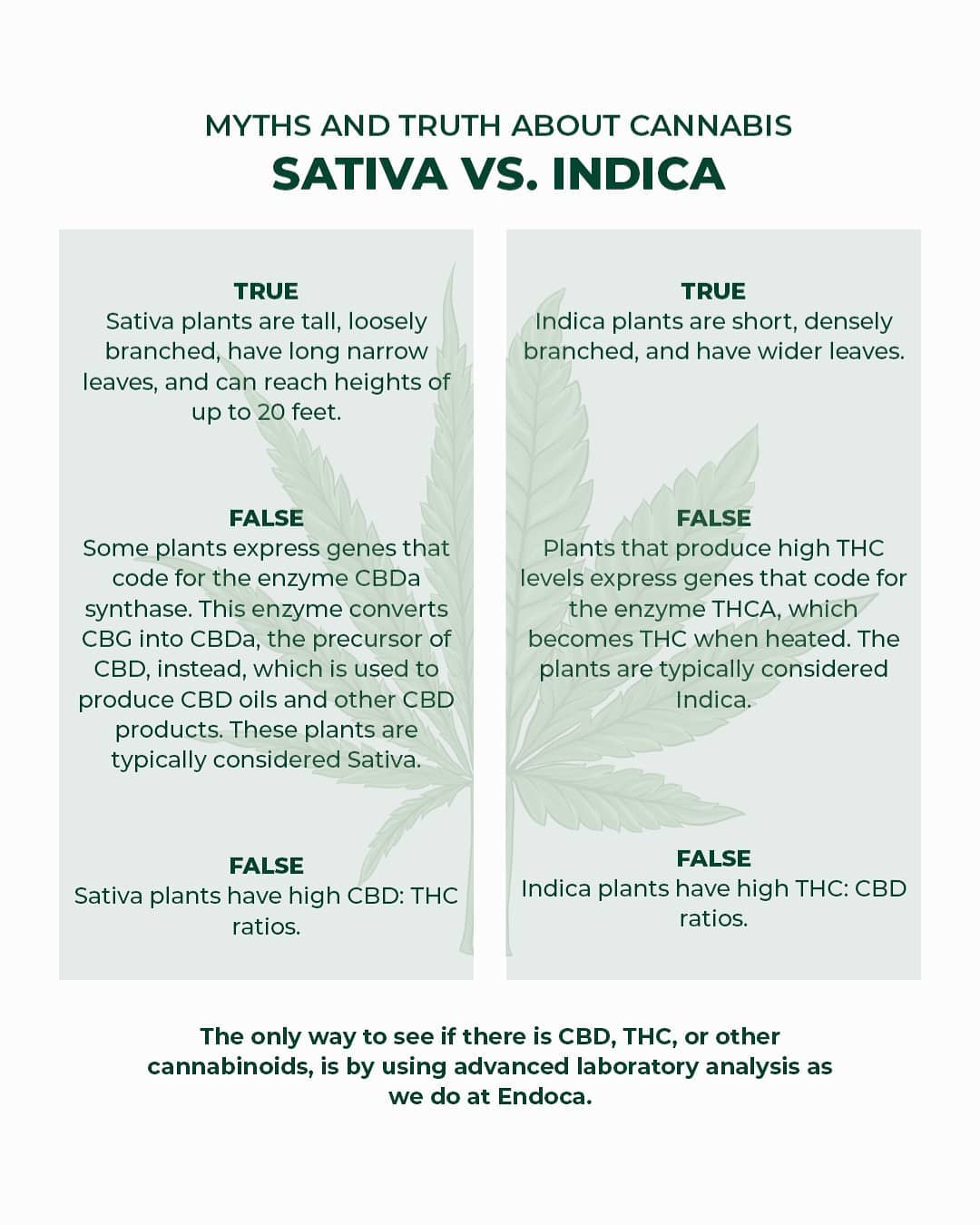
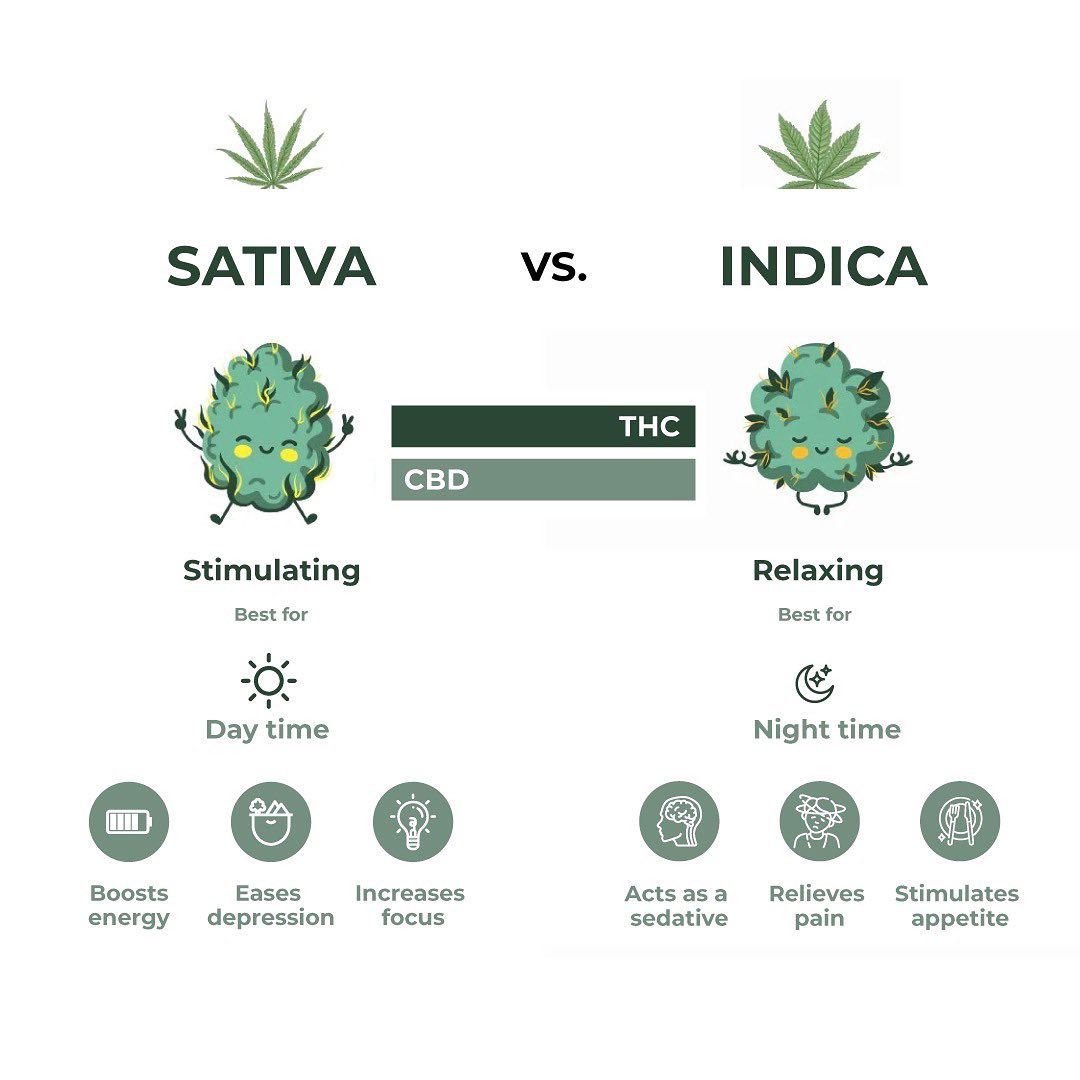
For decades, cannabis has been classified into two primary categories: indica and sativa. Traditionally, indica strains have been associated with relaxing, body-focused characteristics, while sativa strains have been linked to more uplifting and energizing experiences. These distinctions are often used to help consumers understand the general characteristics of different cannabis varieties.
However, modern research suggests that the terms indica and sativa may not accurately predict how a particular plant or product will affect an individual. Instead, the unique combination of cannabinoids, terpenes, flavonoids, and other naturally occurring compounds appears to play a far more important role than the plant’s traditional classification.
Today, many experts view indica and sativa as botanical descriptions rather than reliable indicators of their effects. Understanding the plant’s chemical profile provides a much more accurate way to evaluate hemp and cannabis products.
Why Modern Science Looks Beyond Indica and Sativa
While indica and sativa remain useful botanical classifications, modern cannabis science focuses on something far more meaningful: the plant’s chemical composition.
Every cannabis extract contains a unique profile of cannabinoids, terpenes, flavonoids and other naturally occurring compounds. Together, these molecules create a complex phytochemical fingerprint that varies from plant to plant—even within the same cultivar.
At Endoca, we analyze every batch using advanced laboratory methods to identify and quantify these compounds. This allows us to produce extracts with exceptional consistency, transparency and quality, giving our partners confidence in every ingredient we manufacture.
See the Science Behind Cannabis Genetics
What really matters when choosing hemp products
Cannabinoid Profile
Terpene Composition
Independent Lab Testing
Hybrid Genetics
Extraction Method
Certificate of Analysis (COA)
The Bottom Line: Indica vs Sativa
Understanding the difference between indica vs sativa is a great starting point, but it shouldn’t be the only factor when choosing a hemp product. While these traditional classifications describe general plant characteristics, they cannot reliably predict how a particular product will perform.
Instead, focus on what modern science can actually measure: cannabinoid content, terpene profile, cultivation practices and independent laboratory testing. These factors provide a much more accurate understanding of a hemp extract than the label alone.
The infographic below summarizes the traditional distinctions between indica and sativa. Use it as a helpful reference—but remember that today’s hemp and cannabis products are best evaluated through their complete chemical profile, not simply whether they are called indica or sativa.
Explore Our Products!
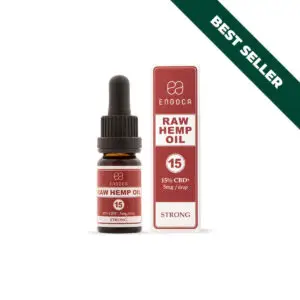
RAW CBD+CBDa Oil 150...
26.00 US$ – 246.00 US$Price range: 26.00 US$ through 246.00 US$ — or subscribe and save up to 30% Select options This product has multiple variants. The options may be chosen on the product page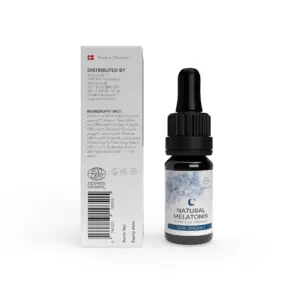

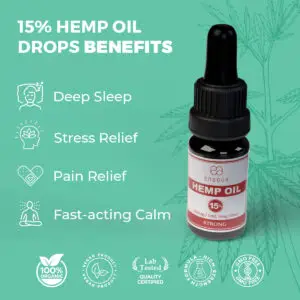
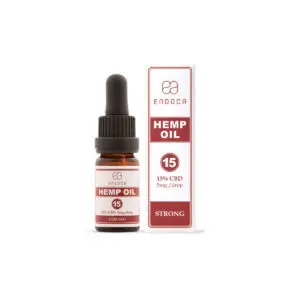
CBD Oil 150mg (Stron...
129.00 US$ – 348.00 US$Price range: 129.00 US$ through 348.00 US$ — or subscribe and save up to 30% Select options This product has multiple variants. The options may be chosen on the product page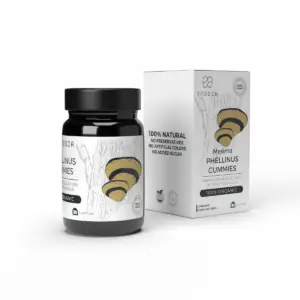
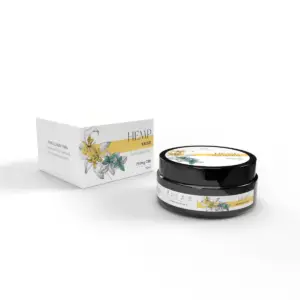

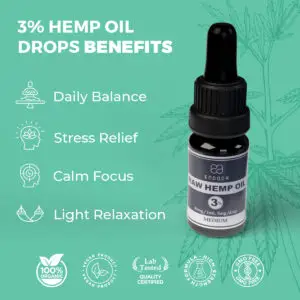
CBD Oil 30mg (Medium...
31.00 US$ – 83.00 US$Price range: 31.00 US$ through 83.00 US$ — or subscribe and save up to 30% Select options This product has multiple variants. The options may be chosen on the product page