No products in the cart.

- Shop
- About Us
Our Story
From humble beginnings to a global mission – we grow, harvest, and craft hemp with care for people and planet.
What Is CBD?
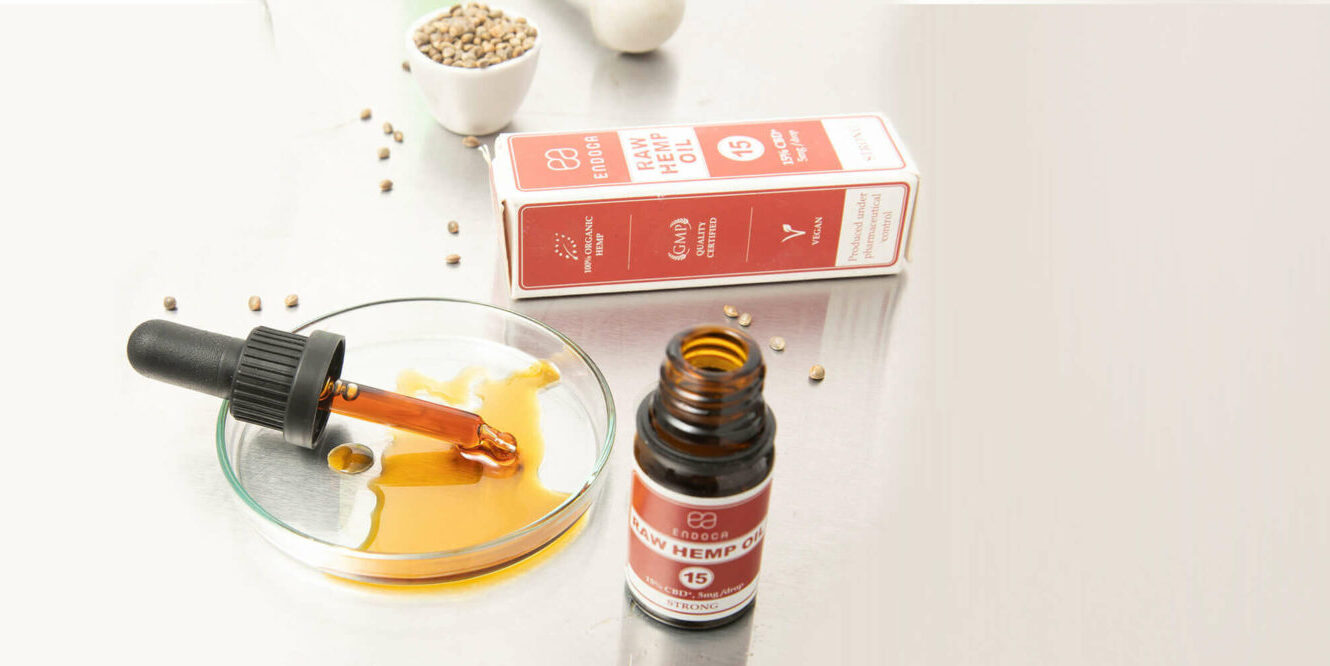
CBD is nature’s way to restore balance, calm, and overall well-being – naturally and without the high.
The Process
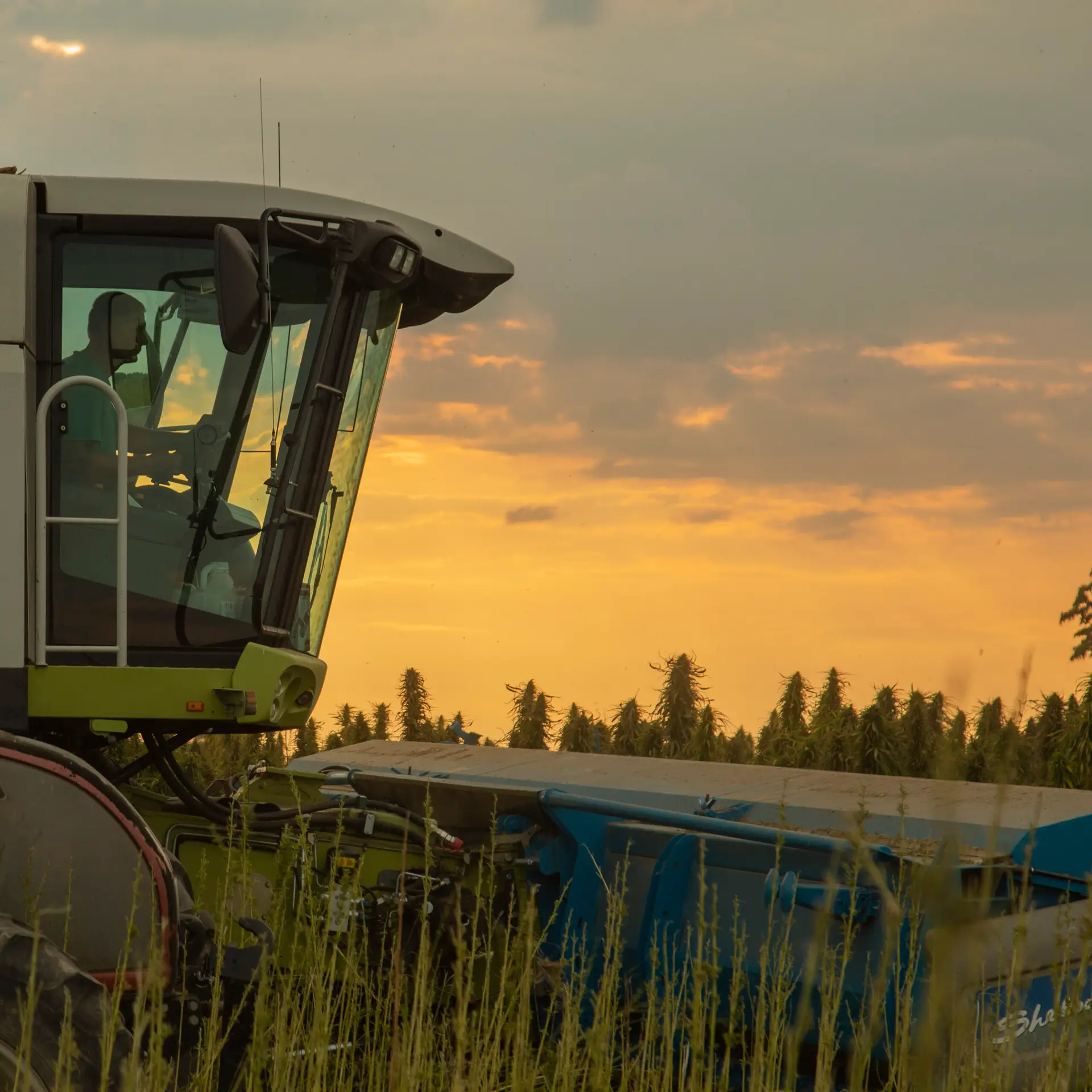
From seed to shelf, we grow organically, extract cleanly, and follow strict quality standards for purity.

Lab Testing
Every batch is third-party tested to ensure purity, safety, and the exact amount of CBD every time.
Our Values
Sustainability, transparency, and wellness guide every decision – for you and for the planet.
At a glance
The evidence on stress, honestly weighted
Ashwagandha
Ashwagandha has more supportive trial data for stress than CBD does.
A 2022 meta-analysis of 12 randomized controlled trials in 1,002 participants found a standardised mean difference of minus 1.55 for anxiety and minus 1.75 for stress, both statistically significant, with a favorable dose response between 300 and 600 mg a day.
Heterogeneity was very high, above 93 percent for anxiety, which means the trials disagreed with each other substantially. And the authors themselves rated the certainty of the evidence as low for both outcomes.
CBD
CBD's anxiety evidence is a meta-analysis of eight trials in 316 participants showing a significant effect, with a confidence interval that nearly crosses zero and doses typically of 300 to 800 mg given acutely.
Consumer CBD products deliver a fraction of that.
Neither of these is a treatment for an anxiety disorder, and neither of us can market it as one.
What people get wrong
01Ashwagandha is safe because it is natural and ancient.
Traditional use is not a safety dataset. The liver cases involved products verified to contain ashwagandha and nothing else.
02Ashwagandha lowers cortisol so it reduces stress.
The mechanism is proposed rather than established, and the trial heterogeneity is high.
03CBD and ashwagandha work better together.
No trial has tested that combination. Both are metabolized in the liver, and both have liver signals, which is a reason for caution rather than enthusiasm.
04If it were dangerous it would be banned.
In Denmark it is.
Choosing between them
If your interest is stress specifically, ashwagandha has the stronger trial signal, at 300 to 600 mg a day, and a liver safety profile you should read before deciding. Anyone with existing liver disease, thyroid disease, or who is pregnant, breastfeeding or under 18 should follow the European regulators’ advice and avoid it.
CBD has weaker anxiety evidence at doses far above what most products contain, and a better-characterized though not spotless safety profile.
Neither decision should be made from a product page. If you take any medication or have any liver condition, this is a conversation with your prescriber.
Still weighing up the options? See Lion’s mane vs ashwagandha, Reishi vs ashwagandha or CBD vs melatonin. Endoca products related to this comparison: CBD calm range.
Legal status and safety
Legal status in the United States
Ashwagandha is regulated as a dietary supplement and is generally accepted as an old dietary ingredient, so it does not require premarket notification. There is no US ban or warning.
CBD is not a controlled substance when hemp-derived under the 2018 Farm Bill, but FDA holds it is not lawful as a dietary supplement ingredient or food additive. The federal hemp definition changes on 12 November 2026.
Safety
This is not a small footnote and we are not going to soften it.
The NIH LiverTox database assigns ashwagandha a likelihood score of B, its second-highest category, indicating a highly likely cause of clinically apparent liver injury. Its assessment notes that injury typically appears two to twelve weeks after starting, usually with a cholestatic or mixed pattern involving jaundice and itching, and that rare instances of fatal liver injury or need for emergency liver transplantation have been reported, particularly in people with pre-existing liver disease. It advises that use should be avoided in patients with cirrhosis or advanced chronic liver disease.
The case series are specific. A 2020 series in Liver International covered five cases from Iceland and the US Drug-Induced Liver Injury Network. All five developed jaundice after a latency of two to twelve weeks. Chemical analysis confirmed ashwagandha in the products with no other toxic compounds identified, so this is not simply an adulteration story.
A 2023 series from India is more severe. Of 23 patients with ashwagandha-associated liver injury, eight with single-ingredient products were reported in detail. Five had underlying chronic liver disease. Three presented with acute-on-chronic liver failure and all three died on follow-up. Chemical analysis again found only natural phytochemicals, without adulteration.
There is also a thyroid signal. A case of laboratory-confirmed thyrotoxicosis resolving on discontinuation has been published, and meta-analysis shows a modest T4 increase. The same pharmacology gets marketed as thyroid support and cited by regulators as a hazard.
Regulators outside the US have acted. Denmark banned ashwagandha in food supplements in 2023. France’s ANSES advised in 2024 that people with thyroid, liver or cardiac conditions, pregnant and breastfeeding women, people on sedatives, and anyone under 18 should avoid it. Germany’s BfR recommended in 2024 that children, pregnant women, breastfeeding mothers and people with liver disease avoid it. The Netherlands has a proposed ban. The US has neither a ban nor a warning, which makes it the permissive outlier rather than the norm.
For balance, a 2026 preclinical safety review concluded ashwagandha is broadly safe in animal models, that the hepatotoxicity was not predicted preclinically, and that it has not shown genotoxicity in standard tests. That is a genuine counterweight and worth knowing.
CBD is not free of liver questions either. Transaminase elevations appeared in around 9 percent of patients in the Lennox-Gastaut trials. But those were at doses of 700 to 1,400 mg a day, and CBD does not carry a LiverTox likelihood score of B or a national ban.
How Endoca tests for this
We do not put ashwagandha in our products. Given the liver injury case series, the NIH likelihood score and the European bans, we are not comfortable adding it to a supplement, and in some of the markets we sell into we would not be permitted to in any case. We would rather explain that than quietly omit it.
Frequently asked questions
It has a documented liver injury signal, rated by the NIH as a likely cause of clinically apparent liver injury, with reported deaths in people with pre-existing liver disease. Several European regulators advise against it for specific groups.
Ashwagandha has the stronger trial data. That has to be weighed against its safety profile.
No trial has tested it. Both are metabolized hepatically and both have liver signals.
On the basis of a national risk assessment citing liver damage cases, hormonal effects and the conclusion that no safe intake could be determined.
No claim is authorised. Ten sit on the transitional on-hold list, which is not the same as approval.
No, ashwagandha is not a controlled substance. Some countries have restricted it on safety grounds, and Denmark banned it in 2023, so its legal status depends on where you live.
Ashwagandha trials have usually run for around eight weeks of daily use. Some CBD studies tested a single dose before a stressful task. The two have not been compared head to head.
References
01
NIH LiverTox. Ashwagandha. NIDDK, updated 3 December 2024.
02
Bjornsson HK et al. Ashwagandha-induced liver injury: A case series from Iceland and the US DILIN. Liver Int 2020;40:825-829.
03
Philips CA et al. Ashwagandha-induced liver injury: A case series from India. Hepatol Commun 2023;7:e0270.
04
Akhgarjand C et al. Effect of ashwagandha on stress and anxiety. Meta-analysis of 12 RCTs, 2022.
05
Han B et al. Cannabidiol for anxiety: meta-analysis. Psychiatry Res 2024;339:116049.
06
Williamson EM, Brendler T. Ashwagandha: Is It Safe? Part 2. Phytother Res 2026;40:4792-4801.
07
Brendler T et al. Ashwagandha: Is It Safe? Part 1: A Regulatory Review. Phytother Res 2026;40:4845-4857.
Last reviewed 1 September 2026.
These statements have not been evaluated by the Food and Drug Administration. This product is not intended to diagnose, treat, cure, or prevent any disease.