
No products in the cart.

- Shop
- About Us
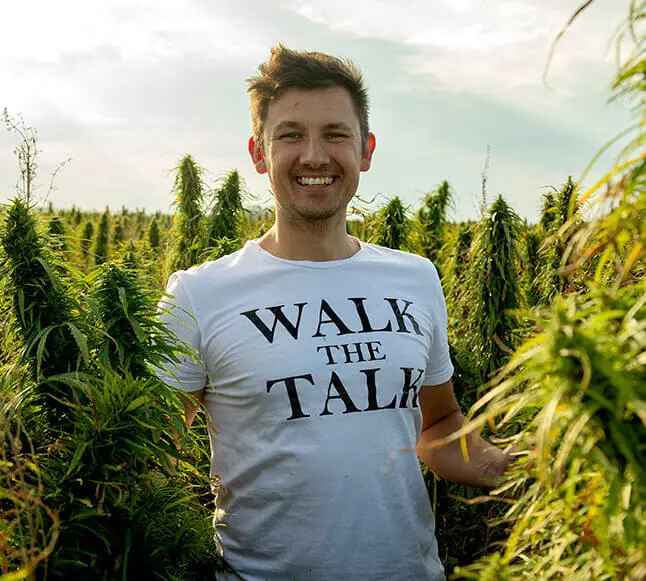
Our Story
From humble beginnings to a global mission – we grow, harvest, and craft hemp with care for people and planet.
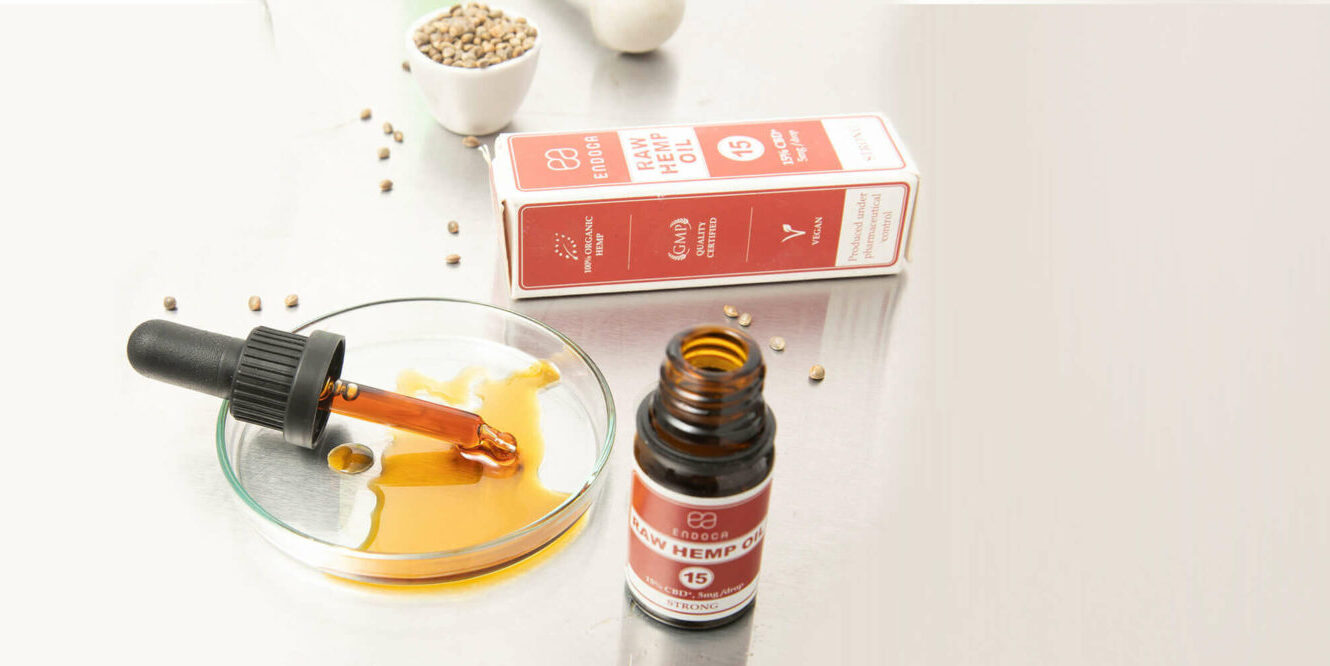
What Is CBD?
CBD is nature’s way to restore balance, calm, and overall well-being – naturally and without the high.
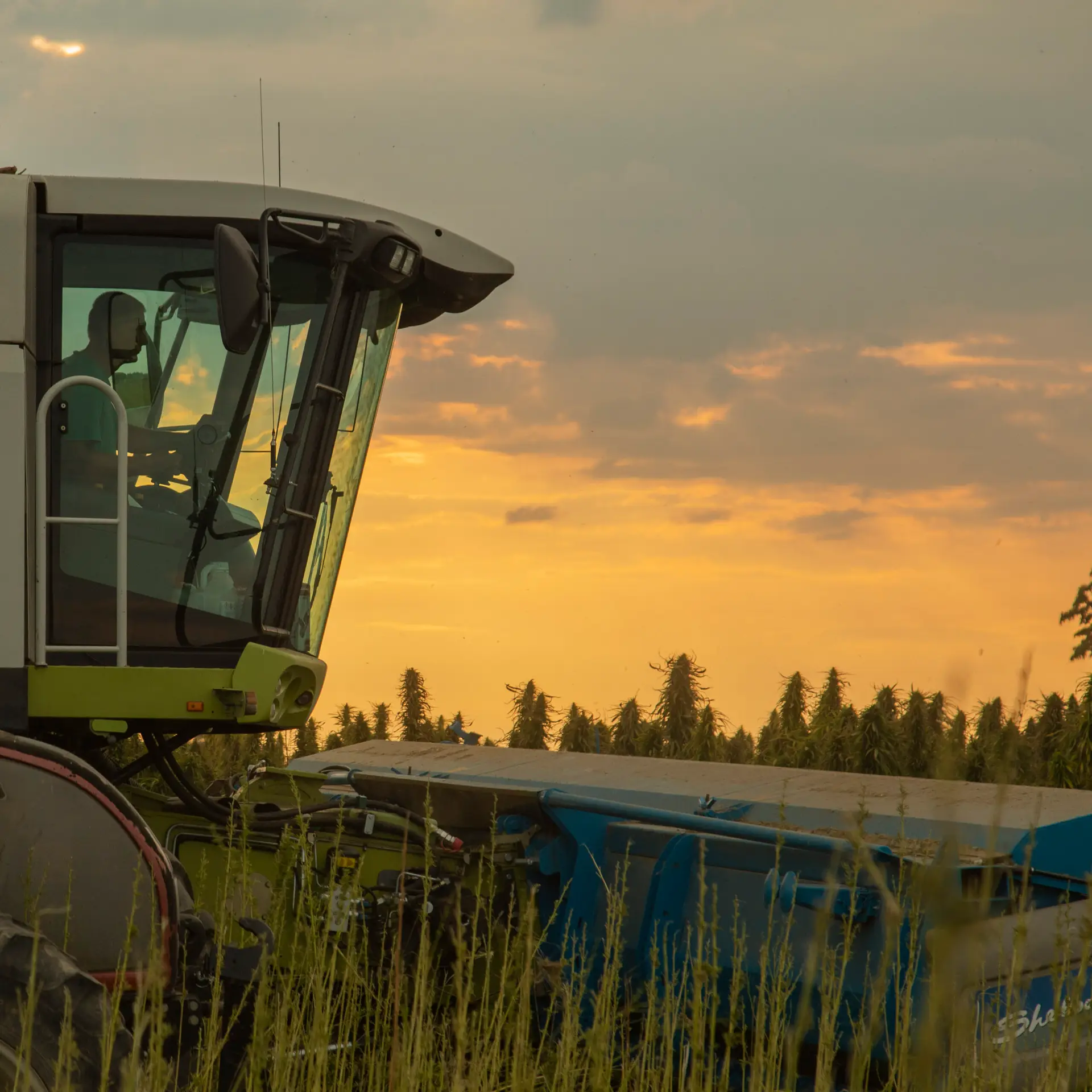
The Process
From seed to shelf, we grow organically, extract cleanly, and follow strict quality standards for purity.
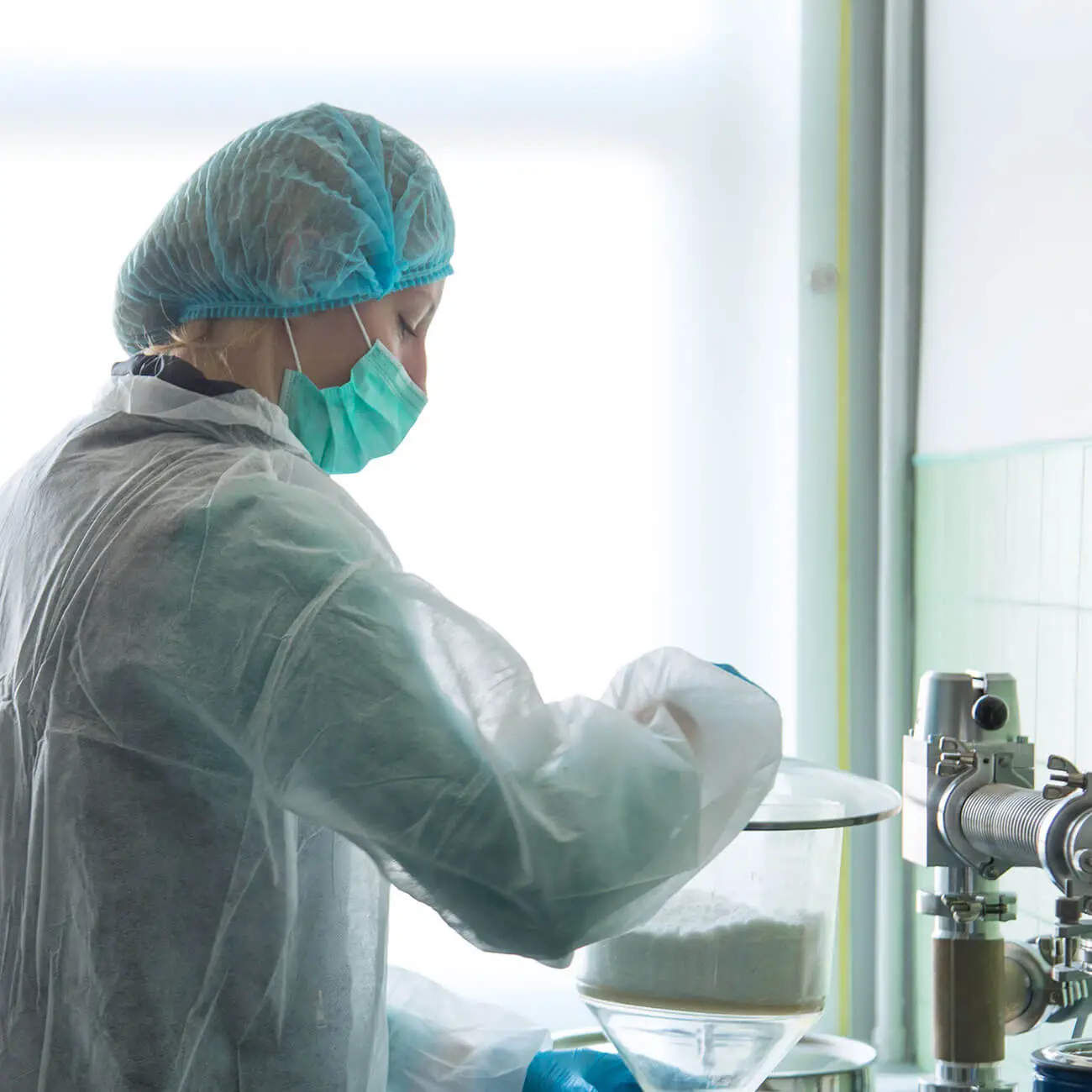
Lab Testing
Every batch is third-party tested to ensure purity, safety, and the exact amount of CBD every time.
Our Values
Sustainability, transparency, and wellness guide every decision – for you and for the planet.
At a glance
What actually differs
The honest answer is the solvent, and usually nothing at all, because the solvent is rarely alcohol. US Pharmacopeia General Chapter 565 defines tinctures as liquid preparations usually prepared by extracting plant materials with alcohol or hydroalcoholic mixtures, at conventional strengths such as 10 g or 20 g of plant material per 100 ml. Under that definition a bottle of CBD extract suspended in hemp seed oil is not a tincture at all. The market borrowed the word for the dropper bottle, not for the chemistry.
CBD is practically insoluble in water and dissolves readily in both ethanol and fixed oils, so either solvent works. The licensed cannabidiol oral solution is in fact both: refined sesame oil plus 79 mg of anhydrous ethanol per ml, 10 percent v/v. That is the one cannabidiol liquid whose pharmacokinetics are characterized in detail, and it is neither a pure oil nor a classical tincture.
What does move CBD exposure is food. A high fat, high calorie meal raised peak plasma concentration 5-fold and total exposure 4-fold; a low fat meal raised them 4-fold and 3-fold. That dwarfs any difference anyone has shown between the two labels.
Where the difference actually shows up
It shows up first in a claim that does not survive testing. Dropper bottles are sold on the premise that holding liquid under the tongue bypasses first pass metabolism. In 8 healthy males given the same CBD oil as sublingual drops or in gelatin capsules, Cmax was 24.0 ng/mL for drops against 28.0 ng/mL for capsules, Tmax was 4 hours in both arms, and exposure was 41.8 against 45.3, with no significant difference. A Tmax of 4 hours is the signature of gastrointestinal absorption, not of the oral mucosa.
It shows up second in formulation, which does matter. Across five oral CBD preparations given at 30 mg each to 15 adults, one liquid reached Tmax at 0.70 hours with a Cmax of 5.57 ng/mL, significantly faster and higher than the rest. The carrier changes exposure even when the route does not.
It shows up third in practicalities. Ethanol stings, brings labeling obligations with it, and rules a product out entirely for some people. An oil has none of those issues, which is why it has become the default dropper format.
What the human evidence shows
CBD tincture
No human pharmacokinetic study has reported Cmax, Tmax or half life for an alcohol extracted CBD tincture.
No randomized trial has compared an alcohol based CBD liquid against the same CBD dose in a carrier oil.
The licensed cannabidiol oral solution, with 79 mg anhydrous ethanol per ml alongside refined sesame oil, reached Tmax at 2.5 to 5 hours at steady state.
CBD oil
In 8 healthy males, CBD oil as sublingual drops gave Cmax 24.0 ng/mL and Tmax 4 hours, against 28.0 ng/mL and 4 hours for the same oil in capsules.
In 15 adults given 30 mg CBD, the fastest of five preparations reached Tmax at 0.70 hours with Cmax 5.57 ng/mL.
A 2018 systematic review of 24 human pharmacokinetic studies found no absolute oral bioavailability figure for CBD in oil or any swallowed form.
The missing piece is the comparison itself. Nobody has run an alcohol based CBD liquid against an oil based one in humans at a matched dose, so a claim that either absorbs better is unsupported. What has been tested is that the dropper adds nothing over a capsule.
What people get wrong
01A tincture is stronger than an oil.
Strength is the milligrams of CBD per ml printed on the label. The word tincture describes a solvent, not a concentration, and no human trial has compared the two at a matched dose.
02Holding CBD oil under your tongue bypasses the liver.
In 8 healthy males the same oil as sublingual drops and as swallowed capsules gave Tmax of 4 hours in both arms, with no significant difference in peak concentration or exposure.
03CBD oil absorbs at about 6 percent.
That figure has never been measured. A 2018 systematic review of 24 human pharmacokinetic studies found one absolute bioavailability value in the literature, 31 percent, for smoking.
Choosing between them
Ignore the word and read the label. Check the milligrams of CBD per ml, the ingredient list for the solvent, and whether the headline figure refers to the bottle or to one ml. If the ingredients name ethanol, you have a genuine tincture and should expect a sharp taste and a different drop size. If they name hemp seed oil, MCT or olive oil, you have CBD oil whatever the front label says. Then take it the same way each day with the same kind of meal, because the food effect is several fold and swamps the format question.
Legal status and safety
Legal status in the United States
Hemp derived CBD became federally distinguishable from marijuana under the 2018 Farm Bill, which set a 0.3 percent delta-9 THC dry weight limit. Public Law 119-37 narrows that to total THC below 0.3 percent dry weight, with no more than 0.4 mg of THC per container, effective 11 December 2026.
FDA has also concluded that CBD is excluded from the dietary supplement definition by section 201(ff)(3)(B) of the Federal Food, Drug, and Cosmetic Act, and that adding CBD to food for interstate commerce is a prohibited act. Epidiolex remains the only approved CBD drug, and disease claims are not available.
Safety
If a product genuinely is an ethanol tincture, the alcohol matters for anyone avoiding it and for people on medicines that interact with alcohol. The licensed oral solution carries about 691 mg of ethanol in a maximum single adult dose.
For either format the dose matters more than the vehicle. CBD is a cytochrome P450 substrate and inhibitor, so anyone on prescription medication should raise it with a clinician first. Pregnancy, breastfeeding and childhood have no human safety data behind them. Start low and keep food timing consistent.
How Endoca tests for this
A certificate of analysis settles content, not vocabulary. Every Endoca batch is tested for its cannabinoid profile, reported as milligrams per ml, and screened for pesticides, heavy metals, residual solvents and microbes. The residual solvent panel is the relevant one here, because it shows what remains of the extraction and is how you verify whether a liquid is genuinely alcohol based. Endoca works from its own farm, own land and own extraction, since 2010.
Frequently asked questions
Usually yes. A true tincture is an alcohol extraction, but most products sold as CBD tinctures are CBD extract in a carrier oil in a dropper bottle, which is CBD oil. Check the ingredients for ethanol; if there is none, the two are the same.
The one head to head test says no. In 8 healthy males, the same oil as sublingual drops or swallowed in capsules gave Tmax of 4 hours in both arms and no significant difference in peak concentration or total exposure. A 4 hour peak points to the gut.
Nobody knows, because the comparison has not been run in humans at a matched dose. What is known is that no absolute oral bioavailability has ever been established for CBD in any form, and that the carrier matters more than the dropper does.
Because ethanol and fixed oil behave differently in the mouth. Alcohol is volatile and astringent, so it tastes sharp and gives a warming sting, masking the hemp note poorly. An oil coats instead, rounding the bitterness but leaving a grassy aftertaste.
References
01
Millar SA, Stone NL, Yates AS, O’Sullivan SE. A systematic review on the pharmacokinetics of cannabidiol in humans. Front Pharmacol. 2018;9:1365.
02
Johnson DA, Funnell MP, Heaney LM, et al. Cannabidiol oil ingested as sublingual drops or within gelatin capsules shows similar pharmacokinetic profiles in healthy males. Cannabis Cannabinoid Res. 2024;9(5):e1423-e1432.
03
Williams NNB, Ewell TR, Abbotts KSS, et al. Comparison of five oral cannabidiol preparations in adult humans: pharmacokinetics, body composition, and heart rate variability. Pharmaceuticals (Basel). 2021;14(1):35.
04
Epidiolex (cannabidiol) oral solution. US prescribing information, sections 11 Description and 12.3 Pharmacokinetics. Greenwich Biosciences, 2018.
05
United States Pharmacopeia. General Chapter 565, Botanical Extracts. USP 35, NF 30.
06
US Food and Drug Administration. FDA regulation of cannabis and cannabis-derived products, including cannabidiol. Accessed 1 October 2026.
07
Agriculture Improvement Act of 2018. Public Law 115-334, section 10113.
08
Congressional Research Service. Change to federal definition of hemp and implications for federal enforcement. IN12620, 2026.
Last reviewed 1 October 2026.
These statements have not been evaluated by the Food and Drug Administration. This product is not intended to diagnose, treat, cure, or prevent any disease.