




No products in the cart.
As consumers increasingly seek non-intoxicating, plant and fungi-derived alternatives to manage daily tension and unwind in the evening, CBD (cannabidiol) oil and Reishi mushroom (Ganoderma lucidum) have emerged as two of the most prominent botanicals in the relaxation category.
According to industry data published in 2025, the global functional mushroom market reached $31.71 billion in 2023 and is expanding rapidly, with clinical trials on species like Reishi increasing fivefold in recent years. Simultaneously, clinical research into CBD continues to uncover its complex interactions with the human nervous system.
However, rapid market expansion has created confusion around how Reishi and CBD actually differ in the human body, whether popular product formats live up to their marketing claims, and whether combining them offers true synergy. This guide breaks down the evidence-backed mechanisms of both botanicals to help you build an effective evening routine.
Difference Between Reishi and CBD Oil for Relaxing
While both Reishi mushroom and CBD oil are non-intoxicating natural extracts used for relaxation, they differ across five core dimensions: biological source, active molecules, primary body systems targeted, onset speed, and taste or format profile.
CBD interacts acutely with the body’s endocannabinoid system, serotonin receptors, and GABA ion channels, typically within 15 to 60 minutes of sublingual or oral use. In contrast, Reishi functions as a slow-building adaptogen, supplying triterpenoids and beta-glucan polysaccharides that support neuroendocrine balance and sleep quality over two to six weeks of consistent daily intake.
Head-to-Head Comparison:
| Feature | Reishi Mushroom (Ganoderma lucidum) | CBD Oil (Cannabis sativa L. Hemp Extract) |
| Biological Kingdom | Fungi (Polypore mushroom fruiting body) | Plant (Aerial flowers and leaves of organic hemp) |
| Primary Bioactive Compounds | Triterpenoids (ganoderic acids) & Polysaccharides (beta-glucans) | Phytocannabinoids (CBD, CBDa in RAW formulas) & Terpenes |
| Primary Physiological System | HPA Axis (Neuroendocrine-Immune System) & Gut-Brain Axis | Endocannabinoid System (ECS) & Serotonin/GABA Receptors |
| Time to Noticeable Effect | Cumulative (2 to 6 weeks for baseline resilience) | Acute + Cumulative (15-60 minutes for drops or gummies) |
| Extraction Method | Hot-water or dual extraction to break down chitin cell walls | Supercritical CO2 extraction to preserve cannabinoids |
How CBD Oil Supports the Nervous System
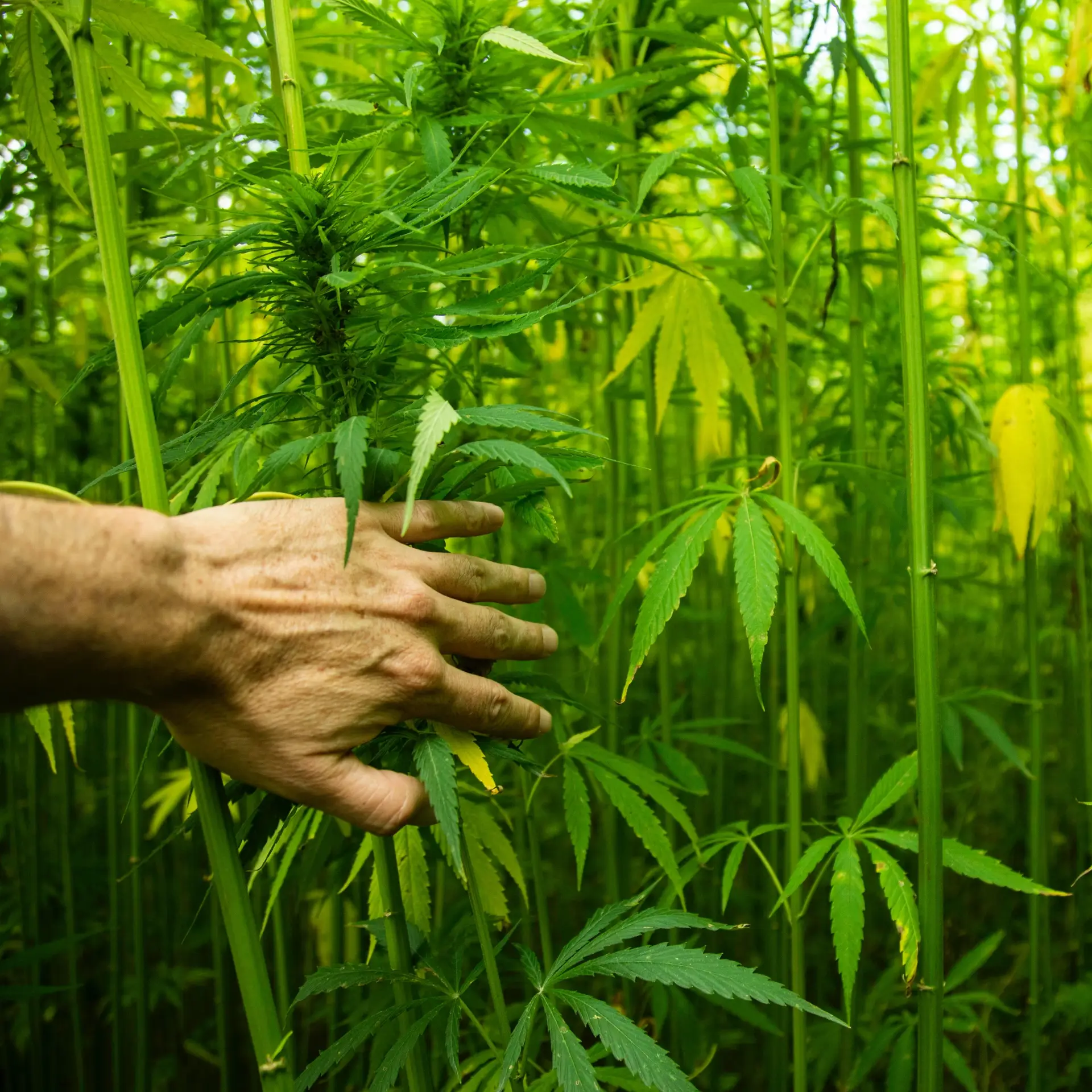
CBD is one of more than 120 phytocannabinoids naturally produced by the hemp plant. Unlike THC, CBD does not create an intoxicating effect. Instead, it acts as a multi-target neuromodulator within the endocannabinoid system (ECS).
The ECS is a homeostatic regulator across the central and peripheral nervous systems. It acts like a “dimmer switch,” constantly maintaining balance when there is too much or too little activity across emotions, sleep, and metabolism. Pharmacological reviews show that CBD acts on this system by inhibiting the breakdown of the body’s internal endocannabinoids.
Furthermore, preclinical and translational evidence demonstrates that CBD directly activates 5-HT1A serotonin receptors and acts on GABA-A ion channels. Recent human clinical trials, including a 2024 meta-analysis in Psychiatry Research, have shown statistically significant effects of CBD on tension and stress symptoms, though researchers note that larger sample sizes are still needed to establish standardized clinical protocols.
How Reishi Mushroom Works as an Adaptogen
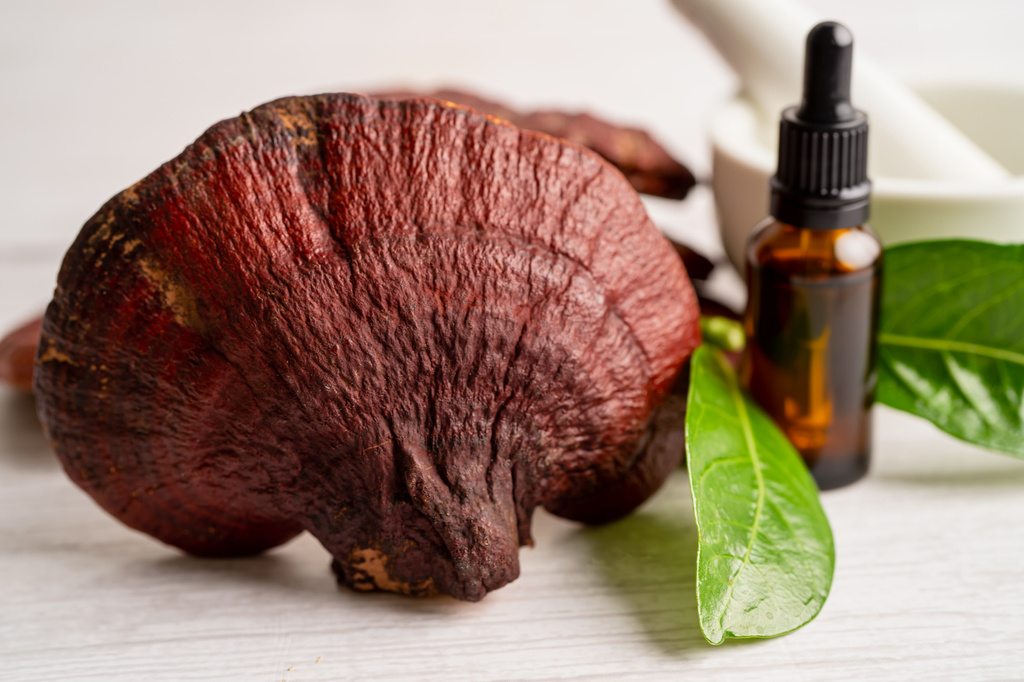
Reishi is a polypore fungus containing over 600 identified chemical compounds, including heavily researched ganoderic acids (triterpenes) and beta-glucans.
As an adaptogen, Reishi interacts with the hypothalamic-pituitary-adrenal (HPA) axis to modulate the physiological stress response over time. In a 12-week randomized, double-blind, placebo-controlled human trial published in Brain and Behavior (2026), supplementation with an adaptogenic mushroom blend significantly reduced serum cortisol and adrenocorticotropic hormone (ACTH) levels while improving sleep quality scores.
Preclinical animal and laboratory studies reveal additional mechanisms. Research published in Scientific Reports demonstrated that Reishi extract prolonged sleep time in mice via a gut microbiota-dependent pathway that increased hypothalamic serotonin.
Should I Take Functional Mushrooms or CBD for Everyday Stress?
Choosing between functional mushrooms and CBD oil depends on how quickly you want support and what kind of stress response you are targeting.
Choose CBD oil if you want same-day, flexible support for acute situational tension or for a calming bedtime routine. Sublingual drops bypass first-pass liver metabolism for faster uptake, making them ideal for unwinding after a hectic workday.
Choose functional mushrooms like Reishi if you are looking for a cumulative, daily baseline habit that supports long-term HPA-axis balance over weeks of consistent intake.
Consider combining both when you want foundational daily adaptation alongside targeted evening support.
The Science of Synergy: Combining Reishi and CBD
Many consumers are pairing Reishi and CBD in evening wind-down routines to achieve complementary, multi-pathway coverage.
This combination offers a “top-down” and “bottom-up” approach to regulation. CBD interacts acutely with central nervous system receptors and endocannabinoid tone when evening tension is high. Reishi works gradually on the neuroendocrine HPA axis and gut-brain pathways to support balanced cortisol levels over weeks.
While the individual mechanisms of CBD and Reishi are increasingly documented, it is important to note that large-scale randomized controlled trials testing CBD and Reishi combined in a single protocol have not yet been published. The combination is best viewed as a complementary routine rather than a clinically proven cure for any specific condition.
Do Mushroom Gummies Actually Help With Stress or Is It Hype?
Functional mushroom gummies can support stress resilience, but whether a specific gummy works or is pure marketing hype depends entirely on three formulation factors: extraction method, fungal part, and dose per serving.
Mushrooms have rigid cell walls made of chitin that the human digestive tract cannot easily break down. If a gummy is made with raw, unextracted mushroom powder, absorption of the beneficial beta-glucans and triterpenes is highly limited. Hot-water or dual extraction is required to bypass this chitin barrier.
Furthermore, many low-cost gummies use mycelium grown on sterilized grain rather than the actual mushroom fruiting body. This often results in a product high in grain starches rather than fungal beta-glucans. As noted in a May 2026 investigation by the Center for Science in the Public Interest, consumers should look for verified milligram weights of actual mushroom extract on the label.
Brands that prioritize transparency, such as Endoca, use organic fruiting body extracts rather than ground mycelium, ensuring the exact milligram weight of the extract is present without synthetic fillers or artificial sweeteners.
Usage Guide: How to Choose the Right Format
Building an effective relaxation routine requires selecting a product format that matches your lifestyle and preferences. Always read the product label for serving suggestions and consult an appropriate healthcare professional before starting a new botanical routine.
Choosing a CBD Format
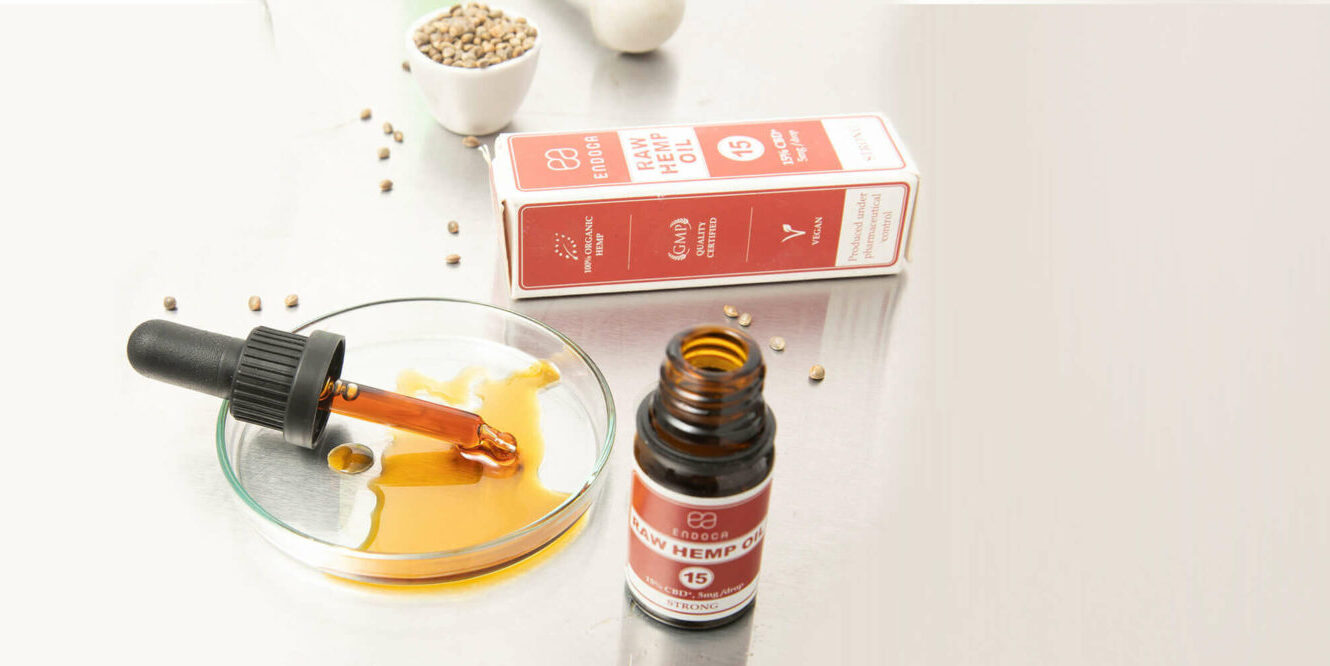
- Sublingual CBD Oil Drops:Placed under the tongue for fast mucosal absorption. Drops offer flexible serving adjustments, allowing you to start with just 1 mg per drop. Some RAW CBD+CBDa drops utilize minimal heat during supercritical CO2 extraction to preserve the acidic precursor to CBD, offering a plant profile closer to fresh hemp.
- CBD Capsules:A pre-portioned, tasteless format ideal for those who dislike the natural earthy flavor of hemp oil.
- CBD Gummies:A convenient chewable format made with fruit concentrates. Since they are digested orally, they feature a more gradual onset ideal for the hours leading up to bedtime.
Choosing a Reishi Format
- Mushroom Extract Capsules:Reishi’s bioactive ganoderic acids are intensely bitter in traditional teas. Vegan Red Reishi Mushroom Extract capsules provide a taste-free, consistent daily serving of concentrated fruiting body extract.
- Functional Mushroom Gummies:Clean-label mushroom gummies offer a pre-portioned daily format that eliminates pill fatigue while still delivering verified extract weights.
Ultimately, whether you lean toward the immediate endocannabinoid support of hemp extracts or the gradual adaptogenic balance of functional fungi, choosing minimally processed, independently lab tested products is the most reliable way to support your evening wellness routine.

Comments are closed